Best Ski Resorts in Lapland - Our Complete Guide
Why Finnish Lapland is Skiing's Most Extraordinary Setting
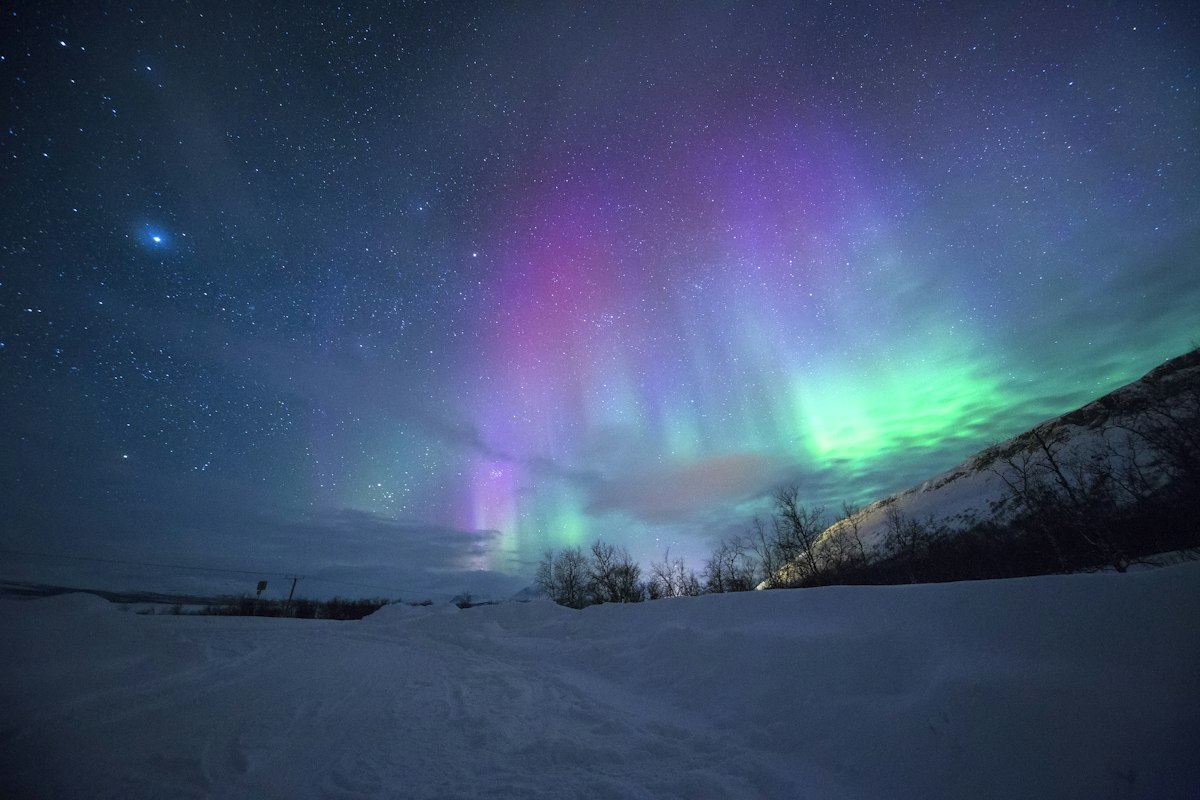
There is a moment, if you ski Finnish Lapland in late January, that no ski resort in the Alps can give you. You are on the lift at around 3pm, the light is fading fast - in Levi at this time of year the sun barely clears the southern horizon for four hours a day - and the sky ahead begins a transition from deep blue to a faint, flickering green. The piste lights are coming on. The temperature is twenty below. And the northern lights are beginning to move across the sky above the snow-covered fells.
This is what Finnish Lapland skiing offers that nowhere else can: a complete sensory environment that goes far beyond the act of descending a slope. The light is extraordinary throughout winter, ranging from the blue-twilight of polar darkness to the blazing pink of the brief polar dawn when the low sun hits the snow at an angle that makes the entire landscape glow. The forests are dense, old-growth boreal - spruce and birch weighted with snow in shapes that look like something from a fairy tale. And the cultural context - Sami traditions, reindeer herding, the Santa Claus village at Rovaniemi - gives the experience a depth that the purpose-built ski villages of the Alps simply cannot manufacture.
The skiing itself is different from the Alps in ways that matter. Finnish Lapland resorts are built on fells rather than mountains - relatively low summits by Alpine standards, with vertical drops of 200 to 350 metres in most cases. What they lack in vertical, they compensate for with snow quality (dry, cold and consistently excellent), snow reliability (the season runs reliably from late November to May), and an uncrowded, relaxed atmosphere. These are not resorts for skiers chasing vertical drop statistics. They are resorts for skiers who want an experience. Before you book, read our ski insurance guide - sub-zero temperatures and remote locations mean getting your cover right matters more here than in more accessible resorts.
The Best Ski Resorts in Finnish Lapland
1. Levi - Lapland's Most Complete Resort
Levi is the flagship of Finnish Lapland skiing, and the resort has invested in its infrastructure with a seriousness that has produced the most complete ski resort north of the Arctic Circle. The ski area climbs from a modern resort village to the Levi fell summit at 531 metres, with 51 kilometres of piste served by 27 lifts - modest numbers by Alpine standards, but generous for Lapland and sufficient for several days of exploration. The vertical drop of 333 metres is maximised by the fell's shape: slopes extend in multiple directions from the summit, giving access to sun-facing, shade-facing and wind-sheltered terrain across the same ski day.
The resort base is purpose-built but manages to avoid the characterless anonymity of some European ski villages. The main street has a mixture of log-cabin accommodation, Finnish design shops and restaurants that serve genuine Lappish food - après-ski reindeer stew here is not a gimmick but a staple. The lift system includes modern heated gondolas and detachable chairlifts that make the sub-minus-20 temperatures manageable. The ski school is well-regarded and operates in multiple languages including excellent English instruction.
Levi is the host resort for the World Cup slalom races that typically take place in November or early December - the Levi Black men's slalom is a genuine international competition attended by the top-ranked racers in the world. The race course is open to the public outside of competition preparation, and skiing the steeper sections of the race fell on a quiet morning gives a physical appreciation of what slalom demands at the highest level. The day pass at 53 euros is in line with mid-range European resort pricing.
The northern lights experience here is among the best in Finnish Lapland. Levi sits well above the tree line at the summit, giving clear sightlines in all directions, and the resort operates several dedicated aurora-chasing excursions from the village. The Hotel Levi Panorama - built into the fell with glass-fronted rooms facing north - was designed specifically around the aurora experience.
Our favourite runs: The World Cup race fell in firm morning snow, the tree runs on the northern side of the fell in fresh overnight powder, and the long cruising routes around the fell's circumference in afternoon light.
Best for: Skiers who want Lapland's most complete resort infrastructure, families seeking a full-service experience, and anyone for whom the northern lights experience is a primary goal.
Practical tip: Kittila airport is 15 minutes from the resort and has direct flights from Helsinki and several European cities. Book aurora-chase excursions through the resort rather than independently - local guides know the best dark-sky locations.
2. Ruka - Lapland's Most Technically Interesting Terrain
Ruka sits in the Kuusamo region, just south of the Arctic Circle, and it has a character that is slightly different from the resorts further north. The terrain here is more varied than Levi's fell skiing - the Ruka fell has more defined ridges and bowls that create a greater sense of topographic interest, and the 25 kilometres of piste include some genuinely steep lines that provide real challenge for confident intermediates and expert skiers. The vertical drop of 207 metres is modest, but the fell's shape maximises the usable terrain.
The ski area also has the best terrain park in Finnish Lapland - Ruka Park is a properly maintained freestyle facility with multiple kickers, rails and a halfpipe that draws freestyle skiers and snowboarders from across Scandinavia. The resort has historically been more popular with Finnish domestic visitors and Scandinavian neighbours than with international tourists, which gives it a more local, less polished atmosphere than Levi - authentically Finnish in a way that feels natural rather than staged.
The cross-country skiing network around Ruka is extraordinary: 500 kilometres of maintained cross-country trails extend through the surrounding forest, connecting to the nearby Oulanka National Park. Day tickets for the trail network are sold separately, and even dedicated downhill skiers should consider a half-day on the tracks to experience the boreal forest landscape in a way that the downhill pistes cannot provide.
Our favourite runs: The steeper north-facing lines on the Ruka fell's upper section, the tree glades in fresh snow, and the long blue cruiser that circles the lower fell in the afternoon light.
Best for: Skiers who want Lapland's most technically varied terrain, freestyle enthusiasts, cross-country skiers wanting access to an exceptional trail network, and visitors who prefer a more local Finnish atmosphere over international resort polish.
Practical tip: Kuusamo airport is 25 minutes from Ruka with direct connections from Helsinki and some European cities. The Ruka-Kuusamo region is well-known for bear-watching and wildlife tourism in summer - combining a ski trip with other Lapland activities is easy from this base.
3. Yllas - Finland's Largest Ski Area
Yllas has a statistical distinction that matters in Lapland: it is Finland's largest ski area, with 21 kilometres of piste and a summit at 718 metres that is the highest skiable point in the country. The resort is split between two villages - Ylläsjärvi to the south and Äkäslompolo to the north - each at the base of different sides of the Ylläs fell. Skiing from one village to the other, over the fell summit and down the opposite side, covers roughly 400 metres of descent and is one of the more satisfying through-routes in Finnish skiing.
The fell character at Yllas is more open and windswept than Levi or Ruka - the summit plateau gives a genuine sense of exposure to the elements, particularly in January when temperatures can drop to minus 30 and the wind adds further chill. The view from the top, on a clear day, reaches across an undulating boreal landscape that extends to the horizon in every direction with no sign of human habitation. It is a properly wild, properly Nordic experience.
The northern lights are spectacular from Yllas due to the fell's exposed position and the relatively low light pollution in the surrounding landscape. The resort actively promotes aurora experiences and maintains an aurora alert service for guests. The two villages at the base have very different characters: Äkäslompolo is older and more traditionally Finnish, with a higher proportion of wooden lake-shore cottages; Ylläsjärvi is newer and more resort-focused, with easier ski-in ski-out access to the main lift system.
Our favourite runs: The traverse from Ylläsjärvi over the fell summit and down to Äkäslompolo, the north-facing tree runs in fresh snow, and the summit plateau in early morning light.
Best for: Skiers who want Finland's highest and largest single-fell skiing, aurora hunters seeking maximum sky exposure, and visitors who want an authentic Finnish village atmosphere rather than a purpose-built resort.
Practical tip: Kittila airport (40 minutes away) serves Yllas as well as Levi. Renting a car gives you flexibility between the two villages and access to the surrounding fell landscape - Pallas fell, part of a national park, is an hour's drive and offers excellent cross-country skiing.
4. Pyhä - The Hidden Gem of the Southern Fells
Pyhä Ski Resort sits within Pyhä-Luosto National Park, and it operates with a self-conscious awareness of its natural setting that makes it feel different from the other Lapland resorts. The ski area is small - 12 kilometres of piste with four lifts and a summit at 540 metres - but the quality of the experience justifies the modest statistics. The terrain has genuine character: rocky ridgelines, natural bowls and the kind of varied topography that tells you the mountain was shaped by forces other than a ski resort planner.
The national park location means the surrounding landscape is protected and visually extraordinary. The forests around the ski area are ancient old-growth boreal, with birch and spruce that have not been commercially managed for decades. Reindeer herds are a regular presence - it is entirely normal to encounter a small herd crossing the lower pistes or standing in the trees near the lift station, watching the skiers with an expression of mild indifference that is distinctly Finnish in its understatement.
Pyhä has a particular draw for experienced skiers looking for off-piste and backcountry exploration. The national park provides a framework of maintained routes through the surrounding fell landscape that extend the skiable terrain significantly beyond the marked pistes. Guided backcountry tours are available from the resort and are among the best experiences in Finnish Lapland for skiers who want to move beyond groomed runs.
Our favourite runs: The rocky ridge lines in firm conditions, the natural bowl terrain above the tree line, and the off-piste routes into the national park with a guide.
Best for: Experienced skiers looking for natural, unspoiled terrain, visitors who want a national park experience integrated with skiing, and small groups who prefer solitude over resort infrastructure.
Practical tip: The nearest airport is Rovaniemi (2 hours), which is also home to the Santa Claus Village - combining a Pyhä ski stay with a Rovaniemi night is an excellent itinerary for families with children.
5. Pyhä-Luosto - Two Fells, One Pass
Pyhätunturi and Luostotunturi are two separate fells connected by a 10-kilometre cross-country ski trail, and the combined Pyhä-Luosto resort covers 22 kilometres of piste across both areas. The Luosto fell, at 485 metres, is the gentler of the two - predominantly blue and easy red gradient that suits families and beginners learning to ski in Lapland's conditions. The terrain at Luostotunturi feels more sheltered than Pyhä, with forested flanks that provide a natural windbreak and a setting that is beautiful in a quiet, domestically Finnish way.
The Luosto village is one of the most charming resort villages in Finnish Lapland - a small collection of log-built hotels, rental cottages and a spa hotel that draws visitors for non-skiing activities alongside skiing. The aurora experience from Luosto is excellent, and the resort operates the best amethyst mine tours in Finland from a facility a few kilometres from the village - amethyst is found naturally in the local rock and the mine tours are a genuinely unusual activity for a ski trip.
The combined Pyhä-Luosto day pass gives access to both ski areas via the cross-country trail between them, which takes 1.5-2 hours to ski. This is not a convenient resort connection in the Alpine sense but is instead an adventure in its own right - 10 kilometres of maintained trail through national park forest between two hills. For those who want to explore both areas in a week, the combination offers excellent variety.
Our favourite runs: The longer red runs at Pyhätunturi, the gentle blue cruisers at Luostotunturi for easy morning laps, and the cross-country trail connection between the two fells on a clear cold day.
Best for: Families with mixed abilities, beginners and lower intermediates, spa enthusiasts wanting to combine skiing with thermal recovery, and visitors interested in Finnish Lapland's distinctive cultural activities.
Practical tip: Rovaniemi airport (1.5 hours) is the main gateway, with direct flights from Helsinki and some European cities. Car hire is strongly recommended to move between the two ski areas and to access the surrounding national park landscape.
6. Ski Saariselkä - Gateway to the Far North
Saariselkä is the northernmost ski resort in Finland and one of the most northerly in the world, sitting above the 68th parallel in the Urho Kekkonen National Park. The ski area itself is modest - 10 kilometres of piste with six lifts and a summit at 480 metres - but the location is extraordinary. The national park surrounding the resort covers 2,550 square kilometres of protected fell and boreal forest, and the sense of wilderness proximity here is more acute than at any other Finnish resort.
The northern lights from Saariselkä are among the most reliably dramatic in Finland. The extreme northerly latitude means higher aurora activity, and the treeless fell landscape above the village provides unobstructed sky views in all directions. The resort village is small but well-equipped, with several hotels specifically designed around aurora watching - glass-roofed sleeping pods and north-facing observation terraces are genuine features rather than marketing concepts.
For skiing, Saariselkä offers a more limited technical experience than the larger Lapland resorts but compensates with atmosphere that is genuinely unlike anything in mainstream European skiing. The day pass at 18 euros reflects the modest ski area but makes multi-day visits accessible at very low cost. The national park's snowshoe and ski touring routes extend the available terrain significantly for those willing to move beyond the groomed pistes.
Our favourite runs: The upper fell in blue twilight at midday, the tree runs in the lower fell after fresh snowfall, and the single long top-to-bottom descent on a clear evening when the northern lights are beginning.
Best for: Aurora hunters for whom the lights are the primary goal and skiing is secondary, visitors to the Urho Kekkonen National Park combining ski activity with wilderness exploration, and anyone seeking Finnish Lapland at its most elemental.
Practical tip: Ivalo airport (30 minutes) is the nearest gateway, with direct flights from Helsinki year-round. The Saariselkä resort village has all accommodation, equipment hire and ski school provision needed for a self-contained stay.
When to Go
Finnish Lapland skiing has a season structure that is unlike any other ski region in Europe, and understanding it is essential to getting your timing right.
November and early December open the season at most resorts, and the snow quality is already excellent at this stage - temperatures are reliably low from October and the snowpack builds quickly. The darkest weeks, from late November through late December, have the fewest daylight hours and the highest aurora probability. If seeing the northern lights is your primary goal, this is when to come. Skiing in near-darkness - with the fell lit artificially and the aurora sometimes visible overhead - is an experience that has no equivalent elsewhere.
January and February are the heart of the season. The snowpack is fully consolidated, the groomed runs are in perfect condition, and the combination of gradually returning light and reliable cold produces some of the best skiing days the region offers. February brings the first real dawn light, and skiing the higher fells in the pink-orange polar sunrise is one of the great visual experiences in winter travel. Read our guide on what to wear skiing - Finnish Lapland temperatures are serious and correct layering at minus 20 or colder requires specific preparation.
March and April bring the most dramatic transformation. The sun returns properly in March, and the combination of long bright days, cold temperatures and a deep consolidated snowpack produces spring skiing conditions that extend well into April. The light in late March - low-angled and golden all day, reflecting off the snow in ways that make the landscape look painted - is genuinely spectacular. Late April closes most resorts, but the season at some fells extends into early May.
Getting There
Finnish Lapland is served by an excellent regional airport network that makes access easier than the latitude suggests.
- Kittila Airport (KTT): The primary gateway for Levi and Yllas. Direct flights from Helsinki (1 hour), with seasonal direct routes from London Gatwick, Amsterdam, Stockholm and several European cities in winter. Transfer to Levi is 15 minutes; Yllas is 40 minutes.
- Kuusamo Airport (KAO): Serves Ruka directly, 25 minutes from the resort. Regular direct flights from Helsinki and seasonal European connections in winter.
- Rovaniemi Airport (RVN): The main Lapland hub, home to the Santa Claus Village and convenient for Pyhä (2 hours) and Pyhä-Luosto (1.5 hours). Direct flights from Helsinki, London Gatwick and several European cities. Rovaniemi itself is worth a night - the Santa Claus Village Arctic experiences are genuinely well done and the city has good restaurants and the excellent Arktikum museum.
- Ivalo Airport (IVL): Gateway to Saariselkä, 30 minutes away. Direct flights from Helsinki with occasional seasonal European connections. The most northerly commercial airport in the EU.
Finnair is the dominant carrier, with the most extensive domestic Lapland network. Norwegian and several charter operators add capacity during the peak winter season. Train travel from Helsinki is possible on the overnight sleeper to Rovaniemi (12 hours) - a classic Finnish experience in itself, arriving in Lapland as the sun comes up over the snow-covered forest.
For more on Nordic skiing, see our guide to the best ski resorts in Finland for the full national picture beyond Lapland's fells.
Ready to Plan Your Ski Trip?
Find the best deals on ski hotels, lessons, transfers, and lift passes.