What to Wear Skiing - Complete Layering Guide
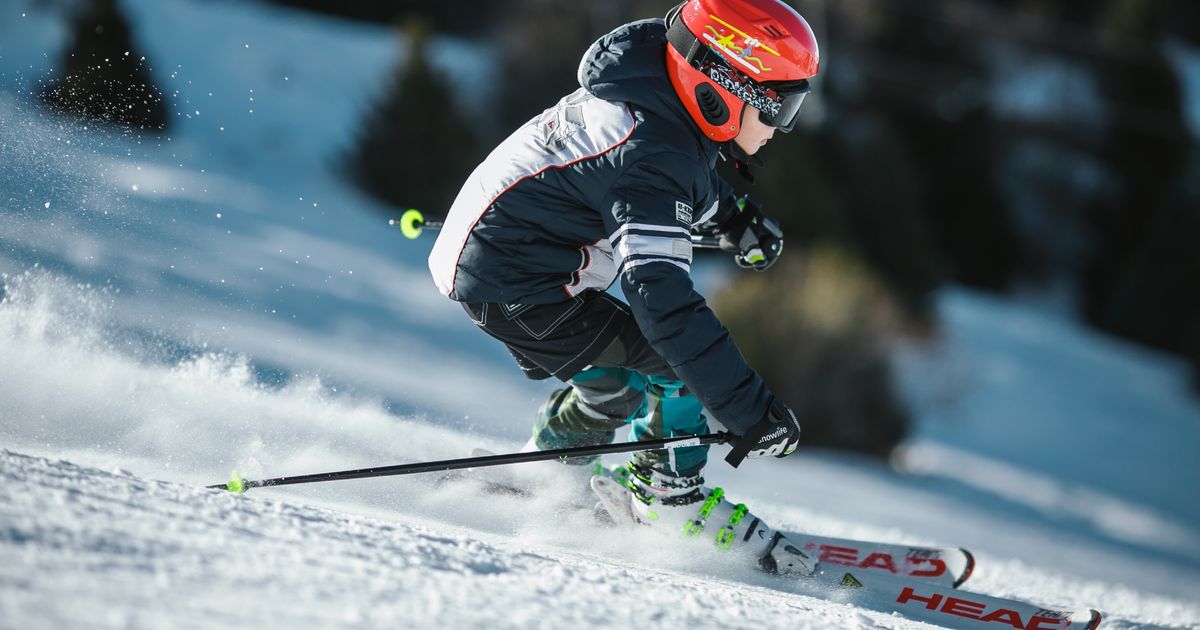
What you wear on the mountain is one of the most important decisions you'll make before your ski trip — get it wrong and you'll spend the day cold, wet, and miserable; get it right and you'll barely notice the weather while you focus on skiing. The three-layer system is the foundation of smart mountain dressing, and this guide walks you through every item from base layer to helmet, with advice on what to hire, what to buy, and what you absolutely must not skimp on.
Why Your Clothing Choice Matters More Than You Think
Most people underestimate how extreme mountain conditions can be. At 2,000 m on a clear February day, temperatures can be -15°C with windchill. Five hours later, on the same mountain, spring sunshine and physical exertion can leave you sweating in -2°C air. Being too cold makes skiing miserable and potentially dangerous; being too hot means soaked base layers and chilled muscles when you stop for lunch.
The solution is the three-layer system - a framework used by mountaineers, skiers, and outdoor enthusiasts worldwide. It's not just about warmth; it's about managing moisture, regulating temperature, and protecting yourself from wind and snow. Get each layer right and you'll barely notice the conditions while you focus on your skiing.
Layer 1 - The Base Layer
The base layer sits directly against your skin. Its job is to wick moisture - sweat - away from your body and move it outward so it can evaporate rather than chilling you. This is why cotton is absolutely banned from the ski mountain: cotton absorbs moisture and holds it against your skin, turning cold and clammy within minutes of activity.
What to Choose
- Merino wool: The gold standard for ski base layers. Merino is naturally moisture-wicking, odour-resistant (you can wear it multiple days before washing), and regulates temperature well in both cold and warm conditions. It's also soft against skin. Brands like Icebreaker, Smartwool, and Ortovox make excellent merino base layers. Downside: cost. A good merino top costs £50–£100.
- Synthetic (polyester/polypropylene): Cheaper than merino, dries faster, and performs well in very cold conditions. Brands like Patagonia Capilene, Helly Hansen LIFA, and Under Armour make reliable synthetic base layers. They are less odour-resistant than merino - bring enough to change daily.
Fit
Base layers should fit close to the body - not tight enough to restrict movement, but with no excess fabric that bunches inside boots or under gloves. For your lower half, base layer leggings or salopette liners should reach your ankle without riding up.
What to Buy
Buy a mid-weight base layer top and bottom for a typical European ski trip. If you're heading to Canada or US resorts in January at high altitude, a heavyweight base layer is worth having for the coldest mornings.
Layer 2 - The Mid Layer
The mid layer provides insulation - it traps warm air near your body. This layer is where most skiers have the most flexibility, and it's often the layer you'll remove and stuff in a jacket pocket as the day warms up.
Options
- Fleece: Lightweight, breathable, and packable. A 200-weight fleece is ideal for most ski conditions. Patagonia, The North Face, and Salomon all make excellent ski fleeces. The main limitation is that fleece doesn't block wind - it relies on the outer layer for that.
- Down or synthetic insulated jacket: A lightweight, packable down jacket (like a Patagonia Nano Puff or Arc'teryx Atom) worn under or over your ski jacket is excellent for very cold days. These compress into a small stuff sack and can be carried in a backpack for changing conditions.
- Softshell: A stretch softshell mid layer is excellent for active skiers - it's windproof, slightly water-resistant, and very breathable. Good for warmer days when a full insulated jacket feels heavy.
What to Bring
Bring one fleece or light insulated layer. On cold mornings (-10°C and below), wear it under your jacket. On mild spring days, it may stay in your locker. This flexibility is exactly what the layering system is designed for.
Layer 3 - The Outer Layer (Ski Jacket and Ski Trousers)
The outer layer is your shell - it must be waterproof, windproof, and breathable. This is where the most money is spent and the most important technical specifications matter.
What to Look For in a Ski Jacket
- Waterproof rating: Measured in mm hydrostatic head. 10,000 mm is the minimum for ski use; 20,000 mm is better for heavy snowfall days. Most quality ski jackets are 15,000–20,000 mm.
- Breathability rating: Measured in g/m²/24h. Higher is more breathable. A ski jacket should be at least 10,000 g to prevent clamminess during active skiing. Gore-Tex, Dermizax, and similar membranes offer the best breathability.
- Features: Look for a powder skirt (an elasticated inner skirt that prevents snow entering the jacket when you fall), a helmet-compatible hood, underarm vents (pit zips), and a long back hem that covers your lower back when seated on lifts.
What to Look For in Ski Trousers
Ski trousers (also called salopettes or ski pants) should match your jacket's waterproof rating. Bib-style salopettes - trousers with a chest bib - are more popular than regular waist-style trousers because they never gap at the waist when you fall or sit on a chairlift. They're especially good for powder skiing. Regular ski trousers are lighter and easier to take on and off.
Key features: waterproof rating of 10,000+ mm, taped seams, reinforced boot cuffs (the inside lower leg wears quickly from boot contact), and ideally a vent zip on the thigh.
Gloves and Mittens
Cold hands ruin ski holidays. Invest in quality handwear.
- Gloves: More dexterous than mittens - easier to buckle boots, use a phone, or adjust goggles. Choose ski-specific gloves with a waterproof membrane (Gore-Tex or similar) and proper insulation. Avoid fashion gloves without technical membranes.
- Mittens: Warmer than gloves because fingers share body heat. Best for very cold days (below -15°C), young children, or anyone who tends to have cold hands. Some skiers carry both and switch based on conditions.
- Liner gloves: Thin inner gloves worn inside mittens or used alone on warmer days. Useful for taking on and off at mountain restaurants without losing your main gloves.
Pack two pairs of gloves/mittens on a week's trip - wet gloves on day one are miserable if they haven't dried by day two.
Ski Socks
Socks have an outsized impact on foot comfort and warmth inside ski boots. The wrong socks cause blisters, cold feet, and pressure points.
- Choose ski-specific socks - tall (reaching the knee), with targeted padding at the shin and heel, made from merino or synthetic moisture-wicking material.
- Wear only one pair. Two pairs create bunching and pressure points, restrict blood flow, and paradoxically make feet colder. One well-padded ski sock is warmer than two everyday socks.
- Wash or replace socks daily - they take heavy moisture load from a full day of skiing.
Brands to look for: Falke SK2, Darn Tough, Smartwool PhD Ski, and Lorpen T3.
Helmets
Helmet adoption on ski slopes has risen dramatically over the past fifteen years. In most European resorts, helmets are now mandatory for children in ski school and strongly recommended for all riders. The statistics are clear: helmets reduce the risk of head injury in falls at typical ski speeds by around 60%.
- Most hire shops include helmet rental - add it to your hire package if you don't own one.
- Look for EN 1077 certification (the European ski helmet standard) or ASTM F2040 (North American equivalent).
- Fit matters: the helmet should sit level on your head, roughly two finger-widths above your eyebrows, with no forward or backward movement when you shake your head.
- Helmet + goggles must work together - check that your chosen goggles sit flush against the helmet's lower edge with no gap that allows cold air in.
Goggles
Goggles protect your eyes from UV radiation (which is intensified at altitude due to thinner atmosphere and snow reflection), wind, cold, and impact. They also dramatically improve visibility in flat light, snowfall, and fog compared to sunglasses.
- Lens tint: Different tints suit different light conditions. A yellow or rose lens improves contrast in flat light and overcast days. A darker mirrored lens is better for bright, sunny conditions. Many goggles now come with two interchangeable lenses - this is worth paying for.
- Fit: Goggles should fit comfortably with your helmet - no gap at the top. Your nose should not be pinched. Most brands describe their goggles as fitting "small," "medium," or "large" face shapes.
- Anti-fog: All quality goggles have anti-fog coating on the inner lens. Never wipe the inside of a goggle lens with a cloth - it destroys the coating.
Neck Gaiter and Hat
A buff or neck gaiter is one of the most versatile and lightweight pieces of kit you can bring - wear it pulled up over your mouth and nose on cold, windy days, or drop it down to your neck as a layer on milder days. It also provides warmth around the neck gap between helmet and jacket collar.
Under a helmet, a thin beanie or helmet liner is better than a thick hat. Some helmets have removable ear pads that provide adequate ear warmth without a hat; check your helmet's specification.
Sun Protection
UV radiation at altitude is significantly more intense than at sea level - up to 50% stronger at 2,000 m compared to sea level, amplified further by snow reflection. Sunburn on the mountain is very common, even on overcast days.
- Apply SPF 50+ sunscreen to all exposed areas (face, neck, the V of your neck if your gaiter is down) every two hours.
- Lip balm with SPF is essential - lips are extremely susceptible to sunburn and wind damage at altitude.
- Goggles protect the area around your eyes, but the bridge of your nose and cheeks require sunscreen even when goggles are on.
What to Hire vs What to Buy
If this is your first ski trip and you're unsure whether you'll return, hiring most gear is sensible. Ski and snowboard hire is widely available at all resorts - see our essential ski gear checklist for full hire guidance.
However, the following items are worth buying rather than hiring even for a first trip:
- Base layers: Hire shops don't hire base layers. You must bring your own.
- Socks: Same as above - and the right socks make a huge difference to boot comfort.
- Gloves/mittens: Quality gloves are personal and a poor hire pair will ruin your hands.
- Neck gaiter and sun protection: Cheap to buy and essential.
Helmets and goggles can be hired from most ski hire shops. If you plan to ski more than one or two seasons, buying your own helmet and goggles is worthwhile - you'll get better quality and a guaranteed fit for your face shape.
For more on planning the full gear and trip setup, read our guide to choosing your first ski resort and the ski insurance guide before you book.
Key Takeaways
- 1The three-layer system — moisture-wicking base, insulating mid, waterproof outer — is non-negotiable for a comfortable day on the mountain
- 2Never wear cotton as a base layer — it absorbs sweat and turns cold; merino wool or synthetic thermals are essential
- 3Ski socks should be tall, well-padded, and ski-specific — avoid thick woolly socks which cause pressure points inside boots
- 4A helmet is strongly recommended for all ability levels and is now standard at most ski schools
- 5Ski goggles are not optional in fresh snowfall, flat light, or high wind — they protect your eyes and improve visibility significantly
- 6Layering allows you to adapt to temperature changes throughout the day — temperatures can vary 10°C between morning and afternoon
Frequently Asked Questions
Can I wear normal winter clothes skiing?
Not effectively. Everyday winter jackets and trousers are not waterproof or windproof enough for ski conditions, and regular thermal underwear (especially cotton) will leave you cold and wet within an hour. At a minimum, you need waterproof ski trousers, a waterproof ski jacket, proper ski gloves, and technical base layers. Everything else can be adapted from everyday clothing.
How many ski outfits do I need for a week?
You can get away with one ski jacket and one pair of ski trousers for a week if you dry them properly each night. The key is your base layers — bring three to four sets so you can rotate them. Mid layers can also be rotated every two days. Socks and glove liners should be washed or swapped daily.
Do I need ski goggles if I have sunglasses?
Sunglasses are fine on bright, calm days for intermediate and above skiers. However, in fresh snowfall, flat light, fog, or wind, goggles are significantly better — they seal around your face, provide optical clarity in difficult light conditions, and protect your eyes from windburn. Beginners are better off with goggles for all conditions.
How should ski socks differ from normal socks?
Ski socks are tall (reaching to the knee), made from moisture-wicking merino or synthetic fibre, and have targeted padding at the shin, heel, and toe. They are thin enough to fit properly in a ski boot without creating pressure points. Never wear two pairs of socks in ski boots — this restricts blood flow and makes your feet colder, not warmer.
Ready to hit the slopes?
Explore resorts, compare passes, and get a heads-up when the snow arrives.