Best Ski Resorts in the Engadin - Our Complete Guide
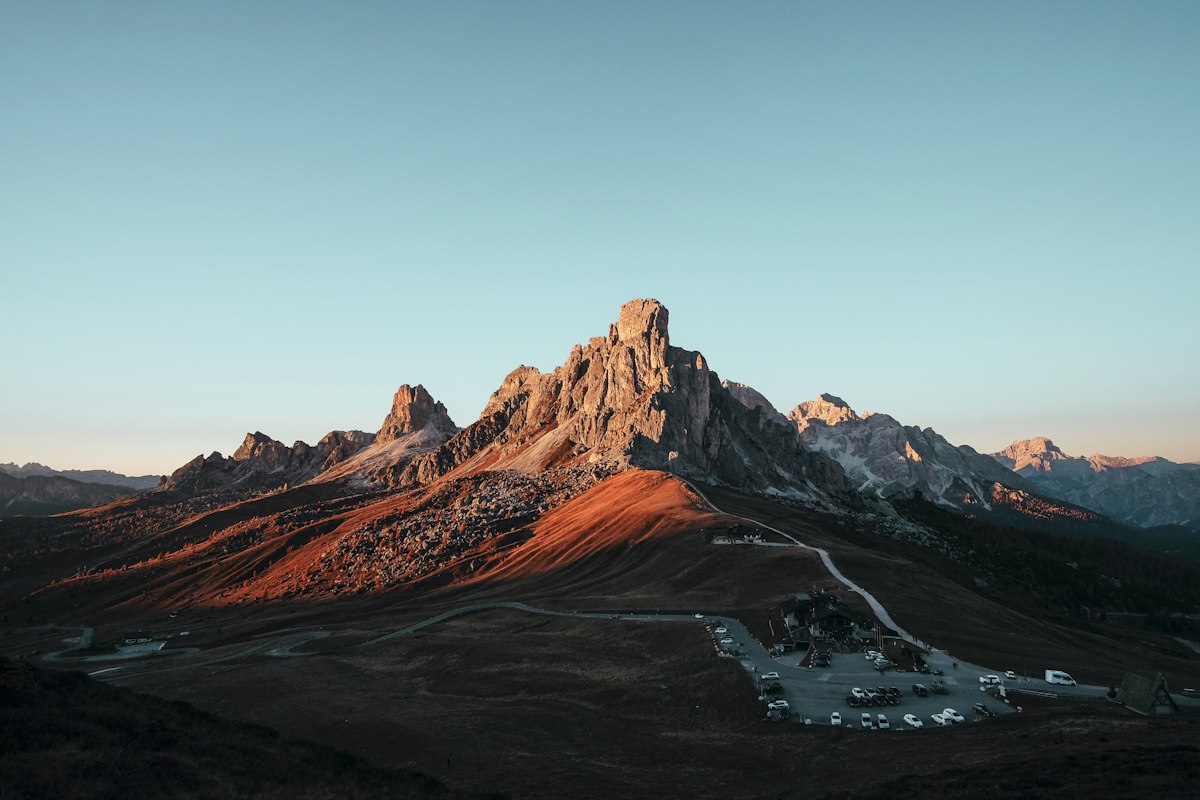
The Engadin - Where Alpine Skiing Was Invented
The claim is not entirely metaphorical. St. Moritz hosted the first international downhill ski race in 1902, was the venue for the 1928 and 1948 Winter Olympics, and has been the address around which European winter resort culture has oriented itself for over 150 years. The Upper Engadin valley - the Inn River corridor running between Maloja in the west and Zernez in the east, at an altitude of 1,750 to 1,900 metres - is where the concept of the winter holiday was developed, where the infrastructure of ski tourism was first built, and where the social codes of alpine resort life were established.
None of that history changes the fact that the skiing here is genuinely exceptional. The Engadin benefits from one of the most reliable snow climates in the Alps: the high valley altitude ensures low base temperatures, the protected position south of the main Alpine watershed catches snowfall from both Mediterranean and Atlantic systems, and the consistently sunny microclimate - the Engadin averages 322 days of sunshine per year - produces the firm-morning, soft-afternoon spring conditions that many skiers consider the best of the year. The region is often referred to as the "Top of the Alps" with justification: the skiing starts at a higher base altitude than almost anywhere else in Switzerland.
The six resorts we cover here range from St. Moritz's glamour and scale to the quieter, more contemplative skiing of Zuoz and the extraordinary high-altitude experience of Diavolezza. Before you go, read our ski insurance guide - Swiss rescue costs are among the highest in the Alps and appropriate cover is essential at Engadin altitudes.
The Best Ski Resorts in the Engadin
1. St. Moritz - The Original Winter Resort
St. Moritz is the resort from which all other ski resorts are, in some sense, descended. Johannes Badrutt's wager with his English summer guests in 1864 - stay for the winter, and if you are not delighted he would refund their costs - initiated a tradition that transformed the Alps, created a new form of tourism and eventually produced the ski resort industry. The bet was won; the guests stayed; they returned the following year with friends; and the rest is the entire history of Alpine skiing.
The skiing across the Corviglia, Corvatsch and Diavolezza-Lagalb ski areas - which together constitute the St. Moritz skiing offer - covers over 350 kilometres of piste in the broader Engadin region. The Corviglia above the town is the most famous sector: a broad, well-exposed ski area rising to 3,057 metres with runs that include the Hahnensee race course (used for Ski World Cup races) and the long, sweeping intermediate runs of the Piz Nair sector. The views from the Piz Nair summit, across the frozen Engadin lakes far below and toward the Bernina massif to the south, are as good as any in Swiss skiing.
The resort's social infrastructure is famous and we will not pretend otherwise: the Badrutt's Palace Hotel and the hotels along the Via Serlas are genuinely grand in a way that even Verbier and Gstaad do not match, the restaurant scene is the best in any ski resort in the world by a significant margin, and the King's Social House and the Dracula Club operate with an exclusivity that is not a performance but a genuine filtering mechanism. But underneath the champagne-and-fur-coat mythology, St. Moritz has excellent skiing that justifies the visit for the terrain alone. The challenge is that excellent skiing in a genuinely beautiful landscape is the minimum that the price demands.
Our favourite runs: The Corviglia mid-mountain in early morning before the sun softens the surface, the Hahnensee course in the afternoon when the light is low and the shadows sharp, and the descent from Piz Nair to the village on a clear spring day.
Best for: Confident intermediate and expert skiers who want the full St. Moritz experience, visitors for whom the resort's cultural and social history is as important as the skiing, and anyone with a budget that allows the resort's price point to not limit the experience.
Practical tip: Stay in the village of Celerina, a 10-minute walk from St. Moritz, for meaningfully lower accommodation rates and access to the same ski area. The train from Zurich via Chur reaches St. Moritz in 3 hours - one of the great train journeys in Europe and worth planning the trip around.
2. Corvatsch - The High-Altitude Glacier Above Silvaplana
Corvatsch is technically part of the St. Moritz ski area but operates with a distinct identity that makes it worth treating separately. The ski area climbs from Surlej above Silvaplana to the Corvatsch glacier at 3,303 metres - one of the highest ski areas in Switzerland - and the altitude, the light and the terrain character all feel genuinely different from the Corviglia sector above the town. The glacier at the summit is wide, cold and exposed, catching every nuance of the high-altitude Engadin weather. On a clear morning with fresh snow, the skiing from the Corvatsch summit down through the glacier terrain to the mid-mountain is as good as any glacier skiing in the Alps.
The Furtschellas sector on the south side of the Corvatsch mountain provides the area's best intermediate terrain - long, well-groomed runs across a consistent red gradient with views across the Maloja Pass toward Italy. The connection between Corvatsch and the St. Moritz ski area via the Hahnensee run is one of the most enjoyable cross-mountain routes in the Engadin, traversing the intermediate terrain between the two resort zones on a single sustained descent.
The off-piste from Corvatsch is among the best in the Engadin. The terrain below the glacier and in the bowl areas off the main piste network receives north-facing snowfall that holds well at altitude, and the Engadin snowpack - built on cold, dry winter air - produces powder that settles differently from the wetter snow of the western Alps. Skiing here after a snowfall, in cold temperatures with the high Engadin light, is a specific experience that serious powder skiers seek out.
Our favourite runs: The glacier sector from the Corvatsch summit in the early morning, the Furtschellas south-facing runs in spring afternoon sunshine, and the Hahnensee cross-mountain connection to the St. Moritz sector.
Best for: Skiers who want the highest-altitude experience in the Engadin region, powder enthusiasts who want north-facing off-piste terrain, and confident intermediates and above seeking varied terrain across both the glacier and lower sectors.
Practical tip: Silvaplana village at the Corvatsch base is a significantly cheaper accommodation option than St. Moritz for essentially the same ski area. The lake at Silvaplana is the centre of Engadin kitesurfing culture - in good wind conditions, watching the kites from the mountain is unexpectedly entertaining.
3. Diavolezza - Bernina Glacier Skiing
Diavolezza is the Engadin experience that most first-time visitors miss and most regular visitors prioritise. The resort sits above the Bernina Pass - accessible from the famous Rhaetian Railway Bernina Express route - and the ski area climbs to the Diavolezza summit at 3,092 metres with views across the Bernina glacier and toward the highest peaks in the eastern Alps. The Bernina massif, with Piz Bernina at 4,049 metres, Piz Palü at 3,905 metres and the glaciers between them, is visible from the lifts in a way that makes the geography of the Alps feel physical and comprehensible.
The skiing here is in two distinct categories. The groomed piste terrain is limited - a relatively small area by Engadin standards, but with a character that is high-altitude and dramatic. The real distinction is the glacier descent: the Pers glacier crossing, traversing the Pers glacier from the Diavolezza summit toward the Morteratsch valley floor, is a 10-kilometre off-piste descent that is one of the most famous tours in Swiss skiing. Technically moderate by off-piste standards - the glacier is relatively flat with a clear route - but spectacular in its scale, passing through a high-mountain glacier environment that is accessible from a lift rather than requiring mountaineering ability. A guide is required.
The adjacent Lagalb ski area, on the south side of the Bernina Pass, is smaller and quieter than Diavolezza with good intermediate terrain and significantly fewer visitors. The two areas are on the same day pass (included in the St. Moritz regional pass) and provide excellent variety across a full day.
Our favourite runs: The Pers glacier crossing with a guide on a clear morning, the groomed summit piste in firm early conditions, and the Lagalb north-facing runs in natural snow.
Best for: Skiers who want glacier touring in a guided but accessible format, confident intermediates and above seeking the most dramatic Engadin scenery, and ski train enthusiasts for whom arriving by the Bernina Express is part of the experience.
Practical tip: The Bernina Express train from St. Moritz to the Bernina Diavolezza station is one of the world's great railway experiences - a UNESCO World Heritage route crossing the Alpine watershed at 2,253 metres. Arrive at Diavolezza by train and ski back to the valley for a day that combines mountain transport culture with excellent skiing.
4. Pontresina - The Mountaineer's Base
Pontresina sits at 1,805 metres in a south-facing side valley above St. Moritz, and it has a character that is different from the main Engadin resorts in a way that becomes apparent immediately. The village is not primarily a ski resort - it is a mountaineering base that has been operating since the 19th century, when the Alpine Club established routes on the Bernina massif from here. The hotels have a Victorian solidity, the museum covers the history of Bernina exploration, and the general atmosphere is of a place with a serious relationship with the mountains rather than a lifestyle relationship.
The skiing available from Pontresina uses the St. Moritz regional area - access to Corvatsch, Corviglia and Diavolezza on a single pass. Pontresina itself has limited lifts but its position gives easy access to Diavolezza (15 minutes by road) and Corvatsch (Silvaplana, 20 minutes). As a base for exploring the full Engadin ski region rather than a single resort, Pontresina is arguably the best-positioned village: central, calm, good value relative to St. Moritz, and with accommodation that reflects genuine alpine hospitality rather than resort posturing.
The cross-country skiing network from Pontresina is among the finest in Europe - 220 kilometres of maintained tracks in the Upper Engadin, including the famous Engadin Skimarathon course that connects Maloja to S-chanf in a 42-kilometre mass-participation race held each March. Even dedicated downhill skiers should consider a half-day on the valley tracks - the flat valley floor with the Bernina massif visible above is a different way of experiencing the Engadin landscape that the ski lifts cannot provide.
Our favourite runs: A ski day based from Pontresina using the full regional area - morning at Diavolezza for the glacier views, afternoon on Corvatsch for the high-altitude soft snow.
Best for: Skiers who want the full Engadin experience at significantly lower cost than St. Moritz, mountaineering enthusiasts who want summer return visits, cross-country skiers wanting access to Europe's finest valley network, and visitors who value authentic alpine village character over resort glamour.
Practical tip: The Bernina Express route passes directly through Pontresina, making it one of the most rail-accessible villages in the Engadin. Book accommodation at least two months ahead for the March Engadin Skimarathon weekend - the village fills completely for the race and prices reflect the demand.
5. Silvaplana - Wind and Lakes in the Heart of the Valley
Silvaplana is a small village at the junction of three Engadin lakes - Silvaplana, Champfer and Sils - and its position has given it a dual identity that is unusual in Swiss ski villages. In winter it is primarily known as the base for the Corvatsch ski area (lifts from Surlej, directly adjacent), which provides access to one of the highest ski areas in the Engadin. In summer, it is internationally famous among kite and windsurfers as one of the best wind sports venues in Europe - the Maloja wind that funnels up the valley from Italy in the afternoons produces conditions that draw competitors from across the continent.
For skiers, Silvaplana functions primarily as the access point for Corvatsch and Furtschellas, covered above. But the village itself merits attention as a base: it is quieter and more affordable than St. Moritz, has good local restaurants and accommodation, and its position between the lakes and the mountains gives it a setting that is genuinely beautiful in a way that the more developed resort towns sometimes obscure with infrastructure. Walking by the frozen lake of Silvaplana in the morning before skiing is a quiet, unhurried experience that the main St. Moritz promenade cannot match.
The village also provides easy access to Sils Maria - a hamlet at the head of the Sils lake, 5 kilometres away, which has been a destination for writers, philosophers and artists since Nietzsche spent his most productive summers here. The Nietzsche Haus museum is open in winter, and the combination of philosophical pilgrimage and excellent skiing is, perhaps, uniquely available in the Engadin.
Our favourite runs: The Corvatsch glacier sector as described above, the late-afternoon lake-light from the Furtschellas return run looking west toward Maloja, and the Engadin valley cross-country tracks along the lakeshores.
Best for: Budget-conscious visitors wanting Corvatsch skiing at lower accommodation costs, visitors combining skiing with cultural exploration of the Engadin's artistic heritage, and kite/windsurfers who want a winter skiing visit to a resort they already know in summer.
Practical tip: Silvaplana is 8 kilometres from St. Moritz on the valley road - the PostBus service runs regularly and a day exploring St. Moritz village on foot is entirely feasible from a Silvaplana base without needing a car in the valley.
6. Zuoz - The Engadin's Forgotten Gem
Zuoz sits at the eastern end of the Upper Engadin, 15 kilometres from St. Moritz, and it is the most architecturally beautiful village in the valley - a fact that is not widely appreciated outside Switzerland. The medieval Romanesque core of Zuoz, with its painted facades, carved stone fountains and the 16th-century Planta tower dominating the village square, is a preserved example of Engadin architecture at its finest. The village received UNESCO recognition as part of the Rhaetian Railways cultural landscape, and walking its streets in the winter evening light is one of the genuinely beautiful experiences in Alpine Switzerland.
The local ski area at Zuoz is small - a handful of runs on the Pizzet and Motta Naluns slopes that suit beginners and lower intermediates, with the regional St. Moritz pass providing access to the full Engadin ski network. But the Engadin Skimarathon cross-country course passes through Zuoz, and the Nordic skiing culture here is more developed than at any other Engadin village. The 220-kilometre maintained track network extends east from Zuoz toward S-chanf and the lower valley, and the combination of flat valley skiing with the Engadin winter light and the surrounding mountains visible across the plain is one of the most beautiful cross-country environments in Europe.
For downhill skiers, Zuoz works best as an accommodation base for the full regional area rather than a dedicated ski resort - the PostBus connection to St. Moritz takes 25 minutes and provides access to Corviglia, Corvatsch and Diavolezza on the regional pass. The accommodation prices are substantially lower than St. Moritz, the restaurants serve traditional Romansh and Graubünden cooking in beautiful historic dining rooms, and the general atmosphere of the village - unhurried, rooted in its own history - provides a counterpoint to the resort buzz of the main Engadin towns.
Our favourite runs: The local Pizzet slopes for easy morning skiing before connecting to the regional area, the full Engadin cross-country track system on a clear cold morning, and a full day at St. Moritz using the regional pass.
Best for: Visitors who value architectural and cultural heritage as much as skiing, cross-country enthusiasts seeking the finest valley Nordic network in the Alps, and budget-conscious skiers wanting the full Engadin experience from a substantially cheaper base village.
Practical tip: The Rhaetian Railway station at Zuoz is on the main Chur-St. Moritz line - car-free access to the full valley from Zurich is entirely practical and strongly recommended. The train journey from Chur to Zuoz, through the gorges of the Albula Pass railway, is one of the great mountain train journeys in the world.
When to Go
The Engadin ski season benefits from the valley's exceptional microclimate, which produces a ski season that differs from the rest of the Alps in important ways.
December opens the season at all Engadin resorts, and the high valley altitude means that conditions at 2,000 metres and above are typically reliable from early in the month. The Christmas and New Year period fills St. Moritz completely - accommodation prices at this period are the highest in Switzerland, and the resort operates at a social intensity that is either exhilarating or exhausting depending on your perspective. The pre-Christmas period (early to mid-December) has better conditions and lower prices.
January and February provide the most reliable cold-and-clear Engadin conditions. The valley microclimate produces the characteristic "Engadin weather" - cold, sunny days with the low winter light striking the snow at angles that make the landscape extraordinarily beautiful. February is the most popular month with Swiss and European visitors; mid-January is often quieter and very good value relative to the peak season. Prepare with our what to wear skiing guide - the Engadin cold, dry air and brilliant sunshine require SPF 50 on the mountain and warm layers in the shade. The temperature difference between sun and shade at 2,500 metres in January can be 15 degrees.
March is when the Engadin shows its greatest strength. The combination of long sunny days, firm morning snow and the annual Engadin Skimarathon (held in early March each year) produces the most characteristic version of the valley's skiing. Spring conditions arrive earlier here than in the western Alps given the sunny microclimate, and the Engadin in March and April is a genuinely outstanding spring ski environment. Physical preparation matters for the longer, more demanding spring days - our ski fitness guide will help you arrive ready to make the most of the longer daylight hours and the excellent spring conditions.
Getting There
The Engadin is served by Switzerland's exceptional rail and road network, with the journey itself often being a highlight of the trip.
- Zurich Airport (ZRH): The primary international gateway. St. Moritz is 3 hours by the direct Glacier Express connection (Zurich-Chur-St. Moritz) or 3.5 hours on the standard rail route via the Albula Pass. Zurich has excellent intercontinental connections and is one of the best-connected airports in Europe for winter sports travel.
- Milan Malpensa (MXP): For visitors arriving from southern Europe or long-haul connections through Italy. St. Moritz is approximately 3 hours by road via the Maloja Pass - a spectacular Alpine approach that crosses the Italian-Swiss border in the upper valley. The drive is not recommended in heavy snowfall without Alpine driving experience.
- Innsbruck (INN): Less commonly used for the Engadin but viable for visitors from Central and Eastern Europe (3.5 hours via the Reschenpass or Brenner to Innsbruck then west).
- By Rail: The Rhaetian Railway (RhB) network serves the entire Engadin from Chur, with the Albula Pass line from Chur to St. Moritz being a UNESCO World Heritage railway. The Bernina Express from St. Moritz to Tirano in Italy is one of the world's great train journeys. A Swiss Travel Pass covers all RhB services and provides excellent value for multi-day Engadin exploration without a car.
For more Swiss ski context, our guide to the best ski resorts in Switzerland covers the full range of Swiss Alpine skiing beyond the Engadin.
Ready to Plan Your Ski Trip?
Find the best deals on ski hotels, lessons, transfers, and lift passes.