Essential Ski Gear Checklist - Everything You Need
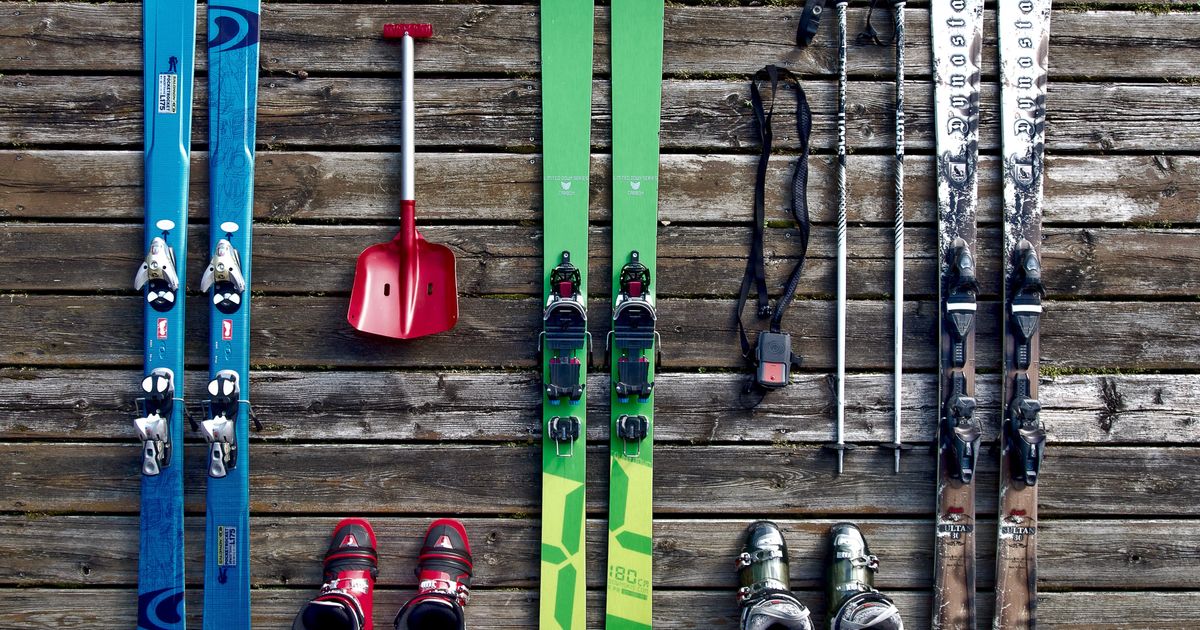
Packing for a ski trip involves a surprising amount of gear, and forgetting even one item — a neck gaiter, a spare pair of goggles, or sun cream — can genuinely affect your comfort and enjoyment on the mountain. This comprehensive checklist covers everything from the skis on your feet to the lip balm in your pocket, with practical advice on what to rent, what to buy, and what to prioritise if you're on a budget. Whether it's your first trip or your fiftieth, use this as your definitive packing list.
The Equipment - What Goes On Your Feet and In Your Hands
Skis
Unless you already ski regularly, rent your skis from a resort shop for your first few trips. Rental fleets are updated annually, meaning you get current-model skis that are well-maintained and professionally tuned. More importantly, rental shops can adjust your ski length, type, and binding settings as your ability changes - even mid-week if you progress faster than expected.
When you do start looking to buy, here's a rough guide to ski types by ability:
- Beginner/Intermediate: All-mountain skis, 70–85 mm underfoot, 155–170 cm long. Soft flex for easy turn initiation. Forgiving and versatile on groomed pistes.
- Intermediate/Advanced: All-mountain skis, 80–95 mm underfoot, 165–180 cm. Stiffer flex for stability at speed. Good in variable conditions including light powder and crud.
- Advanced/Expert: Specialised skis for specific conditions - narrow race skis for hardpack carving, wide freeride skis (100–120 mm) for deep powder, park skis with twin tips for freestyle.
Ski Boots
Ski boots are the single most important piece of equipment. They're the interface between your body and your skis - every movement you make is transmitted through the boot. A badly fitting boot causes pain, numbness, cold feet, and poor control. A well-fitting boot feels snug but comfortable, transmits your movements precisely, and lets you ski all day without discomfort.
We've written a complete boot fitting guide covering mondopoint sizing, flex ratings, last width, and the fitting process. If you take one thing from this article, let it be this: never buy ski boots online without trying them on, and always get fitted by a professional boot fitter.
Poles
Ski poles are simple - aluminium or carbon shafts with a grip and a basket. For general skiing, the correct length is determined by holding the pole upside down under the basket: your elbow should form a 90° angle. Most rental packages include poles matched to your height. When buying, aluminium poles (£20–£40) are perfectly adequate; carbon poles (£60–£120) are lighter but break more easily.
Helmet
A helmet is non-negotiable. Head injuries account for the most serious ski accidents, and a helmet reduces the risk of severe head injury by 35–60%. Most resort rental packages now include helmets, and many resorts require them for children. When buying, ensure the helmet meets CE EN 1077 (Europe) or ASTM F2040 (USA) safety standards, fits snugly without pressure points, and is compatible with your goggles (no gap between the helmet brim and goggle frame).
The Layering System - How to Dress for Skiing
Skiing involves alternating between intense physical activity (descending) and standing still in cold wind (on lifts, in queues). The layering system lets you regulate temperature by adding or removing layers. It's far more versatile than a single thick jacket, and it's how experienced skiers dress in all conditions.
Base Layer (Next to Skin)
The base layer wicks moisture away from your skin. Choose merino wool (natural, odour-resistant, warm even when damp) or synthetic fabrics (fast-drying, durable, cheaper). Weight matters: lightweight for warm days or high-intensity skiing, midweight for most conditions, heavyweight for extreme cold. Buy two tops and two bottoms so you have a dry set every day. Never wear cotton. Cotton absorbs sweat, doesn't wick, and chills you rapidly when you stop moving.
Mid Layer (Insulation)
The mid layer traps warm air. Options include fleece (cheap, warm, bulky), synthetic insulated jackets (warm, compressible, works when wet), or down jackets (warmest weight-for-weight, compressible, but useless when wet). For most conditions, a midweight fleece or a lightweight synthetic jacket is ideal. In extreme cold (-15°C or below), add a thicker mid layer or wear both a thin fleece and an insulated jacket.
Outer Layer (Shell)
The ski jacket and trousers form your weather barrier. Look for:
- Waterproofing: Minimum 10,000 mm water column rating. 15,000–20,000 mm is better for frequent skiers. Fully taped seams are essential.
- Breathability: Minimum 10,000 g/m²/24h. Higher is better - a breathable shell lets sweat vapour escape, keeping you drier.
- Ventilation: Pit zips (underarm vents) are invaluable for dumping heat on warm days or during hard skiing.
- Snow skirt: An inner elasticated band at the waist of the jacket that prevents snow entering if you fall.
- Pockets: Chest pocket for phone, thigh pocket for piste map, sleeve pocket for lift pass. Zipped and snow-proof.
For trousers, consider bib-style salopettes for better snow protection and warmth, or standard waist trousers for easier bathroom breaks. Both work well - it's a comfort preference.
Gloves
Cold hands ruin ski days faster than almost anything. Invest in proper ski gloves with waterproof membranes (Gore-Tex or similar), insulation, and long cuffs that tuck under your jacket sleeves. For very cold days (-10°C and below), mittens are warmer than gloves because your fingers share heat. Carry chemical hand warmers as backup - they cost pennies and provide hours of warmth.
Socks
Wear one pair of thin, shin-height ski socks made from merino wool or synthetic material. No cotton, no thick hiking socks, no double layers. The boot provides the insulation; the sock provides moisture management and cushioning. Bring one pair per skiing day so you always start with dry socks.
Neck Gaiter / Balaclava
A tubular neck gaiter (buff) is one of the most versatile pieces of ski clothing. It protects your neck, chin, and lower face from wind and cold, can be pulled up as a face mask in storms, and weighs almost nothing. For extreme cold, a balaclava covers the entire head and face with a goggle opening. Merino wool versions are warmest and least itchy.
Accessories and Extras
Goggles
Goggles protect your eyes from UV radiation (intense at altitude), wind, snow spray, and flat light. The lens tint matters:
- Dark lenses (grey, black, dark brown): For bright, sunny days. Cut glare and reduce eye strain.
- Medium lenses (orange, rose, amber): Versatile all-rounders for variable conditions. Enhance contrast in flat light.
- Light lenses (yellow, clear, pink): For overcast, snowy, or foggy days. Maximise light transmission and improve visibility.
If buying one pair, choose goggles with interchangeable lenses or a photochromic lens that adjusts to light conditions automatically. Budget: £40–£80 for decent goggles, £100–£200 for premium models with magnetic lens swap systems.
Sun Protection
This is the item beginners most underestimate. UV radiation at 2,000 m altitude is approximately 25% stronger than at sea level, and snow reflects up to 80% of UV rays, effectively doubling your exposure. Apply SPF 50 sun cream to your face (including under your chin - reflected UV burns from below), ears, and any exposed skin. Reapply every two hours. Lip balm with SPF 30+ prevents painful chapped and sunburned lips. Snow blindness - essentially sunburned corneas - is agonisingly painful and entirely preventable with proper goggles.
Backpack
A small ski backpack (15–25 litres) is useful for carrying water, snacks, a spare layer, sun cream, and your phone. Look for a pack with a ski-carry system, a hydration sleeve, and comfortable, breathable shoulder straps. For off-piste skiing, a larger pack (25–40 litres) accommodates avalanche safety equipment (transceiver, probe, shovel).
Renting vs Buying - The Budget Decision
Here's a practical framework for deciding what to rent and what to own:
| Item | Rent if… | Buy if… |
|---|---|---|
| Skis | You ski fewer than 10 days/season or are still improving rapidly | You ski 10+ days/season and know your preferences |
| Boots | Your first trip only | As soon as possible - fit is personal and crucial |
| Poles | Easy to rent bundled with skis | Cheap to buy; nice to have your own |
| Helmet | Conveniently bundled with ski rental | Hygiene and fit - buy after first trip |
| Jacket/Trousers | Rarely (speciality hire shops exist) | Buy before your first trip - you'll use them for years |
| Gloves/Socks | Never rent these | Always buy your own for hygiene and fit |
For your first trip, expect to spend £80–£180 on equipment hire (skis, boots, poles, helmet for 6 days) plus £150–£400 on clothing you'll keep (jacket, trousers, base layers, gloves, goggles, socks, neck gaiter). See our budget guide for tips on reducing these costs, and our first resort guide for picking a resort where hire is affordable. For boot fitting specifics, read our dedicated boot sizing guide.
Packing Checklist - Print and Tick
Here's the complete list, organised by category. Print it, tape it to your suitcase, and tick items off as you pack:
Equipment (Rent or Own)
- Skis with bindings (check DIN settings are correct for your weight/ability)
- Ski boots
- Poles
- Helmet
Clothing (Own)
- Base layer tops × 2
- Base layer bottoms × 2
- Mid layer (fleece or insulated jacket)
- Ski jacket (waterproof/breathable shell)
- Ski trousers or salopettes
- Ski socks × 5–6 pairs
- Ski gloves + liner gloves for warmth
- Neck gaiter or balaclava
- Goggles (with spare lens or photochromic)
- Sunglasses (for village/après-ski)
Accessories
- Sun cream SPF 50
- Lip balm with SPF
- Chemical hand warmers × 4 pairs
- Small backpack (15–25 litres)
- Water bottle or hydration bladder
- Snacks (energy bars, dried fruit)
- Phone + portable charger (cold drains batteries)
- Cash for mountain restaurants
- Lift pass holder (clip-on or pocket)
- Ski lock (if you own your skis)
Review our equipment hub for detailed reviews and recommendations on each category, and check the weather guide for your destination to calibrate your layering decisions.
Key Takeaways
- 1Rent skis, boots, and poles for your first few trips — buying before you know your preferences wastes money
- 2The three-layer system (base layer, mid layer, shell) is more versatile than a single thick jacket
- 3Ski boots are the most important piece of equipment — poorly fitting boots ruin everything. See our boot fitting guide
- 4Helmets are essential, not optional. Most resorts include them in rental packages at no extra cost
- 5Pack sun cream (SPF 50) and lip balm with SPF — UV at altitude is intense, and wind and cold mask sunburn until it's too late
- 6Goggles with interchangeable lenses (dark for sun, light for cloud) cover all conditions
Frequently Asked Questions
Should I buy or rent ski equipment?
Rent for your first 2-3 trips while you're still learning and your ability is changing rapidly. The skis suitable for a beginner are wrong for an intermediate, so buying too early means replacing them within a season. Once you're skiing confidently on red runs and know your preferences, invest in boots first (the most personal item), then skis.
What's the most important piece of ski clothing?
Your base layer. A good merino wool or synthetic base layer wicks sweat away from your skin, keeping you warm when stationary and comfortable when active. Cotton absorbs moisture and chills you — never wear cotton under ski gear.
Do I need ski-specific socks?
Yes. Ski socks are thin, shin-height, and made from merino wool or synthetic wicking material. Thick, chunky socks create pressure points inside ski boots, reduce circulation, and make your feet colder, not warmer. One pair of proper ski socks per day is ideal.
How much does a full ski equipment setup cost?
A complete beginner setup (skis, bindings, boots, poles) costs £400–£700 new or £150–£300 second-hand. Add a helmet (£50–£150), goggles (£40–£120), and clothing (£200–£500 for jacket, trousers, base layers, gloves). Total: £700–£1,500 for a full kit. Renting the hard goods (skis, boots, poles, helmet) for a week costs £80–£180.
Ready to hit the slopes?
Explore resorts, compare passes, and get a heads-up when the snow arrives.