How to Choose Your First Ski Resort
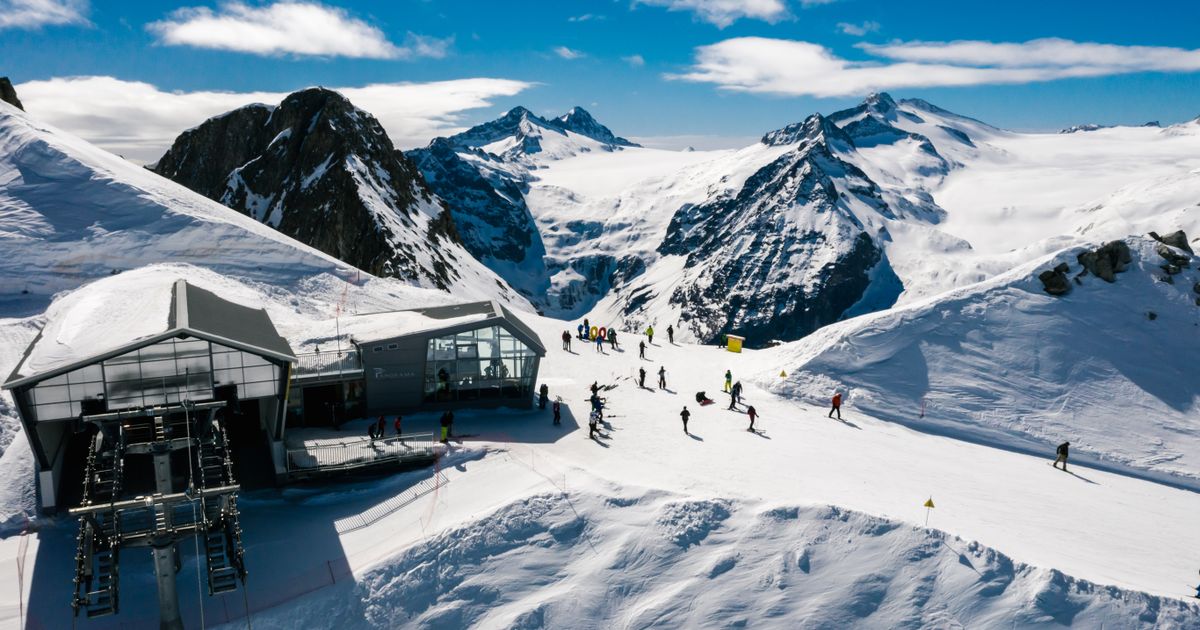
Choosing the right resort for your first ski trip can make or break the experience. The wrong resort leaves beginners stranded on icy steeps with no easy way down; the right one builds confidence on gentle, well-groomed slopes with excellent instruction and convenient access. This guide walks you through every factor — from terrain mix and altitude to budget, travel logistics, and snow reliability — so you can pick a resort that sets you up for a lifelong love of skiing.
Why Your Choice of Resort Matters
Your first ski holiday is an investment - typically £1,200–£2,500 per person for a week in Europe once you add flights, accommodation, lift pass, equipment hire, lessons, and food. Choosing the wrong resort can mean spending most of that budget standing in frustrating terrain that's too steep, too icy, or too crowded for a beginner. The right resort, on the other hand, gives you gentle nursery slopes right by the village, wide cruising blue runs with quiet midweek traffic, an excellent ski school, and reliable snow conditions that let you practise on forgiving surfaces rather than ice.
The difference between a resort that's 70% black and red runs versus one that's 60% green and blue is the difference between spending your week terrified or spending it grinning. Let's break down the factors that matter most.
Terrain Mix - The Single Most Important Factor
Every resort publishes its run breakdown by difficulty. In Europe, runs are graded green, blue, red, and black, from easiest to hardest. In North America, the equivalent colours are green circle, blue square, black diamond, and double black diamond. For your first trip, you want a resort where at least 40% of the total piste area is rated green or blue. This ensures you have variety as you progress through the week rather than skiing the same single beginner slope repeatedly.
Look beyond the percentages, though. Some resorts count very short connecting paths as green runs, inflating the beginner stats. Check the piste map to see whether the easy runs are concentrated in one small area or spread across the mountain. Ideally, by day three or four you want to be able to ride a chairlift to a mid-station and ski a long, wide blue all the way back to the village - that's the experience that hooks beginners.
Resorts like Obergurgl in Austria (72% blue/red with wide, gentle blues), Les Gets in France (excellent beginner progression zones), and Soldeu in Andorra (purpose-built beginner area with magic carpets and gentle slopes) are outstanding first-timer choices.
Altitude and Snow Reliability
Snow makes or breaks a ski holiday. Resorts below 1,200 m are vulnerable to warm spells, especially in late season, and you risk skiing on slushy or icy artificial snow. Resorts above 1,800 m generally offer much better natural snow coverage from December through April. High-altitude, glacier-backed resorts like Tignes (resort at 2,100 m, skiing to 3,456 m) or Zermatt (skiing to 3,883 m) are virtually snow-sure all season.
However, very high resorts carry a trade-off for beginners: altitude sickness. Above 2,500 m, some people experience headaches, nausea, and breathlessness on the first day or two. This isn't dangerous, but it can ruin day one of your holiday. A practical sweet spot for beginners is a resort village between 1,400 m and 2,000 m, with skiing reaching 2,500–3,000 m. This gives reliable snow without significant altitude effects. If the resort has extensive snowmaking on its lower runs, that's an extra safety net.
Check the resort's average snowfall history and the number of snowmaking cannons. Resorts in the northern French Alps, the Austrian Tyrol, and the Swiss Valais tend to receive the most consistent snowfall. You can also use SkiPlnr's resort map to filter by altitude and snow reliability before you book.
Ski School Quality
For a first-timer, the ski school is more important than the size of the ski area. A patient, multilingual instructor who keeps group sizes small will accelerate your learning enormously. Look for the following when evaluating ski schools:
- Group size: Maximum 8–10 adults per group, or 6 children. Anything larger and you spend too much time waiting.
- Lesson duration: Half-day (2.5–3 hours) morning sessions are the norm. Full-day lessons exist but beginners tire quickly, making afternoon progress minimal.
- Instructor qualifications: Look for nationally certified instructors. In France, ESF (École du Ski Français) and independent schools compete; in Austria, each province runs its own certification. In North America, PSIA-certified instructors are the standard.
- Language: If English is your only language, confirm the school offers English-speaking instructors. In France, some ESF schools have limited English provision outside peak weeks.
- Beginner zone: The best ski schools have a dedicated nursery area with magic carpet lifts, gentle gradients (under 10°), and separation from faster skiers.
Resorts like Austrian Tyrol villages are renowned for their welcoming, well-organised ski schools with generous nursery areas. In North America, Vail's Epic Mountain School is consistently rated among the continent's best beginner programmes.
Travel Access and Transfer Times
A resort that requires four hours of winding mountain roads after a late-night flight arrival is a rough start to a first ski trip. Shorter transfers mean less fatigue and more skiing time. As a rule, try to keep your airport-to-resort transfer under two hours. Here are some convenient pairings:
| Airport | Resort | Transfer Time |
|---|---|---|
| Innsbruck (INN) | Stubai, Axamer Lizum | 30–45 min |
| Salzburg (SZG) | Saalbach, Zell am See | 60–90 min |
| Geneva (GVA) | Chamonix, Morzine, Avoriaz | 60–90 min |
| Chambéry (CMF) | Les Trois Vallées, La Plagne | 90–120 min |
| Turin (TRN) | Sestriere, Bardonecchia | 60–90 min |
| Denver (DEN) | Breckenridge, Keystone | 90–120 min |
If you're flying from the UK, look at weekend-to-weekend charters to Geneva, Chambéry, or Innsbruck - they're often cheaper than scheduled flights and time transfers to Saturday changeover days.
Budget - What You'll Actually Spend
Resort choice has a huge impact on total trip cost. A week in a purpose-built French resort during February half-term can easily cost 50% more than the same week in Bulgaria or Slovenia. Here's a rough per-person breakdown for a six-day trip:
| Cost category | Budget resort (Bulgaria/Andorra) | Mid-range (Austria/Italy) | Premium (France/Switzerland) |
|---|---|---|---|
| Flights (UK) | £50–£150 | £80–£200 | £100–£250 |
| Accommodation (pp, half-board) | £200–£400 | £400–£700 | £600–£1,200 |
| Lift pass (6 days) | £100–£160 | £200–£280 | £260–£350 |
| Equipment hire | £60–£100 | £100–£160 | £120–£200 |
| Ski school (5 mornings) | £100–£150 | £150–£250 | £200–£350 |
| Food/drink on mountain | £50–£100 | £100–£200 | £150–£350 |
| Total per person | £560–£1,060 | £1,030–£1,790 | £1,430–£2,700 |
For a detailed guide to saving money, see our Budget Ski Holidays in Europe article. If you're bringing kids, our family skiing guide covers how to keep costs under control while keeping everyone happy.
Convenience Features That Matter for Beginners
Beyond terrain and price, a handful of practical features make an outsized difference on a first trip:
- Ski-in/ski-out accommodation: Being able to walk straight from your door onto snow eliminates the hassle of carrying equipment through car parks and climbing stairs in rigid ski boots.
- Slope-side equipment hire: Renting from a shop at the base of the slopes means quick swaps if something doesn't fit. Check out our gear checklist before you pack.
- Beginner lift pass: Many resorts sell a cheaper pass covering only the nursery area and a few easy lifts. This can save 30–40% on a full area pass for the first two days.
- Village layout: A compact village where everything is walkable beats a sprawling resort requiring shuttle buses, especially after a tiring day on the slopes.
- Après-ski scene: Even non-skiers in your group need something to do. Resorts with pools, spas, sledging, snowshoeing, and good après-ski bars keep everyone entertained.
Putting It All Together - A Decision Framework
Rank these factors in order of your personal priority, then use SkiPlnr's resort finder to filter and compare. Here's a simple scorecard approach:
- Terrain mix: Does the resort have ≥40% beginner terrain? If not, eliminate it.
- Snow reliability: Is the resort above 1,400 m with snowmaking backup? Check historical snowfall.
- Ski school: Are group sizes under 10? Are English lessons available? Book early.
- Transfer time: Can you get from airport to resort in under 2 hours?
- Budget: Does the total cost fit your budget? Consider budget destinations if not.
- Extras: Village vibe, après-ski, spa, non-skiing activities for your group.
Score each resort 1–5 on these criteria, multiply by your weighting, and the winner should be obvious. Remember, for a first trip, ski school quality and terrain mix matter far more than total piste kilometres. A small, friendly resort with 50 km of well-groomed blues will serve you better than a 600 km mega-area where 80% of the terrain is red and black.
Still unsure? Browse our when to visit guide to pick the best week, then explore resorts by country using our interactive ski resort map.
Key Takeaways
- 1Look for resorts where at least 40% of runs are green or blue — this gives beginners room to progress without running out of terrain
- 2Altitude matters: resorts above 1,800 m offer more reliable snow, but very high resorts (2,500 m+) can cause mild altitude sickness on day one
- 3Proximity to a major airport and short transfer times reduce fatigue and maximise skiing days
- 4A good ski school is worth more than extra kilometres of piste — check instructor-to-student ratios and lesson languages
- 5Budget for six key costs: flights, accommodation, lift pass, equipment hire, ski school, and food — resort choice affects all six
- 6Early-season (December) and late-season (late March) weeks are typically 20-30% cheaper than February half-term
Frequently Asked Questions
What is the best country for a first ski trip?
Austria and France are the most popular choices for European beginners. Austria excels at hospitality and charming village atmospheres with excellent ski schools (try the Arlberg or Tyrol regions). France offers large, purpose-built resorts with extensive gentle terrain, and the Three Valleys area has some of the best beginner zones in the Alps. For North American beginners, Colorado resorts like Vail and Breckenridge have outstanding learn-to-ski programmes.
How many days should I book for a first ski trip?
Five to six skiing days is ideal. Day one is spent in ski school learning the basics, and most beginners need two to three days before they feel comfortable linking turns on easy blue runs. Booking fewer than four days means you leave just as you start having fun.
Should I book ski school in advance?
Yes — always. Popular resorts sell out group lessons weeks ahead, especially during school holidays. Booking early also locks in the best instructor-to-student ratios. Aim for groups of no more than 8-10 for adults or 6 for children.
Is snowboarding easier to learn than skiing?
Skiing is generally considered easier to learn initially but harder to master. Most beginners can snowplough down a green run on day one of skiing, whereas snowboarding typically involves more falls in the first two days before a rapid improvement curve.
Ready to hit the slopes?
Explore resorts, compare passes, and get a heads-up when the snow arrives.