Skiing with Kids - Complete Family Guide
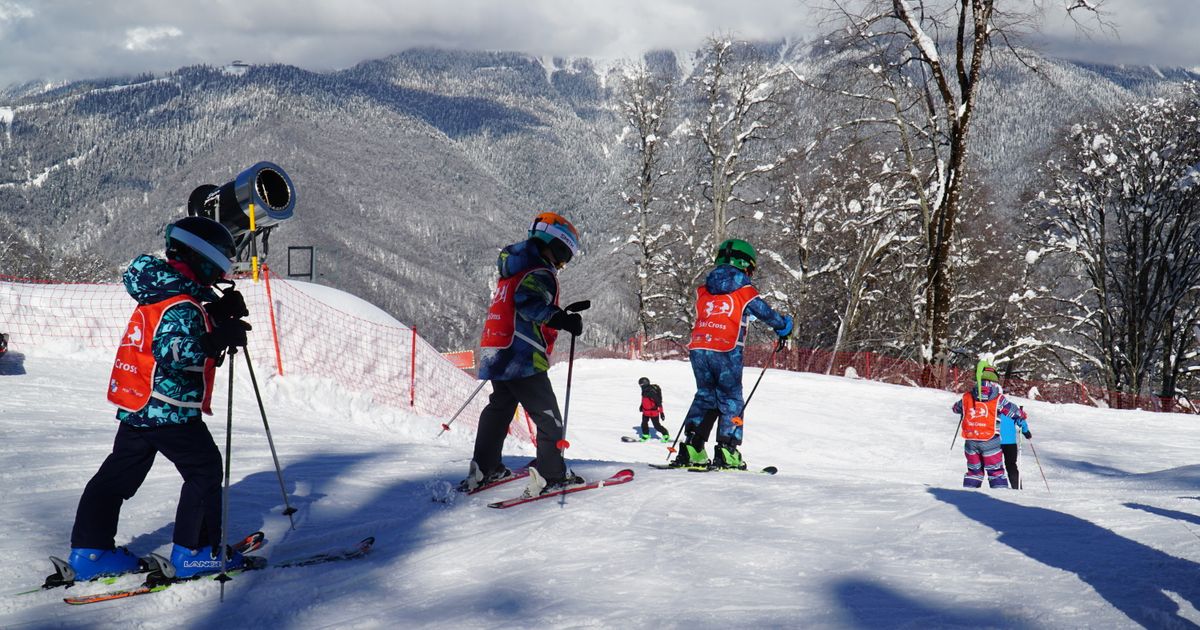
A family ski holiday creates memories that last a lifetime — but it also involves a level of planning, cost, and logistics that can overwhelm first-timers. At what age should children start? How do you keep a three-year-old warm and entertained in sub-zero temperatures? Can you actually afford it? This guide answers every question parents ask, from choosing kid-friendly resorts and booking ski school to packing for children, managing budgets, and ensuring the whole family — toddlers, teenagers, and adults — has an incredible time on the mountain.
What Age Should Children Start Skiing?
This is the number one question from parents considering a family ski trip. The answer depends on the child, but here are evidence-based guidelines used by ski schools across the Alps and North America:
- Age 2.5–3: "Snow garden" or "ski crèche" programmes. These are play-based sessions lasting 1–2 hours, with short periods on tiny skis on flat terrain, interspersed with games, snow play, and indoor warming breaks. Not all resorts offer classes this young - French resorts with "Piou-Piou" clubs (part of the ESF network) are excellent for this age group.
- Age 3–4: Ski kindergarten. Half-day sessions (2–3 hours) with a maximum of 4–6 children per instructor. Children learn to stand on skis, walk, stop, and make their first snowplough turns on gentle slopes served by magic carpet lifts. By the end of the week, most children can snowplough down a short nursery slope independently.
- Age 5–7: The golden window. Children in this age range have enough coordination, strength, and attention span to learn rapidly. Most can link turns on blue runs by the end of a five-day course and will be eager to explore the mountain. This is arguably the best age to start - old enough to absorb instruction, young enough to be fearless.
- Age 8–12: Still great learners but may be more self-conscious and cautious than younger children. Group lessons work well, and progression is typically fast. Children in this age range may also be interested in terrain parks and freestyle, which adds a fun motivation layer.
- Teenagers: Teenagers learn well but may prefer snowboarding or freestyle skiing. Peer group dynamics matter - look for teen-specific group lessons rather than mixing them with adults or younger children.
Choosing a Family-Friendly Resort
Not all ski resorts are created equal for families. A resort that's perfect for a group of adult friends (big, challenging, lively nightlife) may be miserable for a family with young children (overwhelming, dangerous terrain, nothing for non-skiers). Here's what to prioritise:
Beginner Terrain
You need dedicated nursery slopes - not just a single magic carpet squeezed into a corner, but a proper beginner area with multiple gentle slopes, short lifts, and separation from faster skiers. The best family resorts invest heavily in their beginner zones. Read our first resort guide for detailed terrain assessment advice.
Childcare and Kids' Clubs
If you have children under 3 who aren't skiing, you need resort childcare (crèche or nanny services) so the adults can ski. Many purpose-built French resorts (Avoriaz, Les Arcs, Flaine, La Plagne) have excellent on-mountain crèches with qualified staff. Austrian family resorts like Serfaus-Fiss-Ladis, Saalbach, and Obertauern also excel in this area. Book childcare well in advance - places fill fast, especially in February.
Convenience
When you're wrangling children into ski boots, carrying their equipment, applying sun cream, managing toilet breaks, and preventing meltdowns, every minute of convenience matters. Look for:
- Ski-in/ski-out accommodation (no shuttle buses with overtired toddlers)
- Equipment rental right at the base of the slopes
- Ski school meeting point visible from a café (so you can have a coffee while watching)
- Mountain restaurants with children's menus and high chairs
- Village amenities within walking distance (supermarket, pharmacy, playground)
Non-Skiing Activities
Children tire quickly, and not every day will be a skiing day. Resorts with swimming pools, ice rinks, sledging runs, snowshoeing trails, and indoor play areas give families options when the weather is bad, the kids are exhausted, or someone simply wants a day off the slopes. Check for family-orientated après-ski - not every resort's après scene is appropriate for children.
Booking Ski School for Kids
Ski school is the single most important booking for a family ski trip. The quality of instruction determines whether your child falls in love with skiing or ends the week in tears. Here's how to get it right:
- Group size: Maximum 6 children per instructor for under-5s, maximum 8–10 for ages 5+. Smaller groups mean more individual attention and faster progression.
- Language: Confirm the school offers lessons in your child's language. In French resorts, independent schools (e.g., Evolution 2, New Generation, BASS) typically have more English-speaking instructors than the traditional ESF.
- Schedule: Half-day morning sessions (9:30 AM–12:00 PM) are usually best for young children. Full-day programmes (with lunch provided) work for ages 5+ and give parents a full day of skiing.
- Booking timing: Book 4–8 weeks in advance for school holiday weeks. Leaving it to arrival risks being placed in a large group or finding no availability at all.
- Private lessons: For children who are anxious, very young, or have specific needs, a private lesson (£150–£300 for 2 hours) can make the difference between a breakthrough and a breakdown.
Keeping Kids Warm and Happy
Cold children are miserable children, and miserable children don't learn. Temperature management is the most important practical skill for parents on a family ski trip.
Layering for Children
The same layering system applies to children: base layer (merino wool or synthetic - never cotton), mid layer (fleece), outer shell (waterproof, insulated ski suit or separate jacket and trousers). For children under 5, a one-piece ski suit is often easier than separates - no gap at the waist for snow to enter, and fewer items to lose.
Hands and Feet
Children lose heat through their extremities much faster than adults. Use waterproof, insulated mittens (not gloves - mittens are warmer for kids) with long cuffs that tuck under jacket sleeves. Put chemical hand warmers inside the mittens on cold days. For feet, use thin merino ski socks (one pair only, no doubling up) and ensure ski boots aren't too tight - cramped toes lose circulation and go numb quickly. Read our boot sizing guide for fitting advice.
Sun Protection
Children's skin is more sensitive to UV damage than adults'. Apply SPF 50 sun cream to all exposed skin (face, ears, neck, under chin) and reapply every 90 minutes. Use lip balm with SPF. Goggles are essential - not optional - for eye protection against UV and glare. A helmet is mandatory for children in most European countries and should be in all cases.
Energy and Morale
Carry snacks (cereal bars, dried fruit, chocolate) and a warm drink (hot chocolate in a thermos) for mid-morning breaks. Children burn enormous energy skiing and get hungry faster than adults. Schedule regular warming breaks at mountain restaurants - 15 minutes inside with a hot drink every 90 minutes keeps energy and morale high.
Budget Strategies for Families
Family ski trips are expensive, but smart planning can bring costs down significantly:
- Avoid school holidays: Skiing in early January or late March (outside UK/European school holidays) can save 30–40% on accommodation and flights. Some families arrange a few days of authorised absence from school for a January trip - the savings can be £1,000+.
- Self-catering: A self-catering apartment with a kitchen saves enormously on food compared to half-board hotels. Cook breakfasts and dinners, and eat lunch on the mountain (or pack sandwiches).
- Family lift passes: Many resorts offer discounted family passes (e.g., two adults + two children 20% cheaper than buying individually). Children under 5 often ski free. Teenagers may qualify for child rates up to age 15–16.
- Equipment hire bundles: Family hire packages (skis, boots, poles, helmets for the whole family) are typically 15–20% cheaper than individual rentals.
- Budget destinations: Bulgaria, Andorra, Slovenia, and Romania offer dramatically lower prices than the big Alpine nations. See our budget ski holidays guide for details.
Recommended Countries for Family Skiing
Austria leads the way for family skiing - welcoming villages, excellent children's ski schools, abundant nursery terrain, and a culture that genuinely caters to families. Resorts like Serfaus-Fiss-Ladis, Alpbach, and Saalbach are consistently rated among Europe's best for families. France offers purpose-built convenience (Avoriaz, Les Arcs, La Plagne) with ski-to-door accommodation and integrated childcare. Italy (the Dolomites especially) combines family-friendly skiing with outstanding food and lower prices than France or Switzerland. For budget-conscious families, Andorra delivers reliable snow, modern lifts, and excellent children's facilities at a fraction of Alpine prices.
Explore all our family-friendly options on the resort map and compare resorts using our resort finder.
Key Takeaways
- 1Most children can start ski lessons from age 3–4 in 'ski kindergarten' programmes combining play, snow games, and short ski sessions
- 2Children aged 5–7 typically progress fastest — they learn quickly, fear less, and have enough coordination for basic technique
- 3Book ski school well in advance (especially February half-term) and confirm group sizes, language, and child-to-instructor ratios
- 4Family-friendly resorts offer childcare, kids' clubs, easy beginner terrain, and accommodation near the slopes — these features matter more than resort size
- 5Budget tip: self-catering apartments, family lift passes, and skiing in January or March (avoiding school holidays) can save 30–40% on total cost
- 6Pack extra layers, chemical hand warmers, waterproof mittens, and high-factor sun cream — children lose heat fast and burn quickly at altitude
Frequently Asked Questions
What is the best age for kids to start skiing?
Most ski schools accept children from age 3 for 'ski kindergarten' — short sessions (1–2 hours) mixing play with basic ski skills on a magic carpet. From age 4–5, children can join full half-day group lessons and typically learn to snowplough turn within 2–3 days. Some very active, coordinated children can start at 2.5, though attention spans at that age are extremely short. There's no rush — children who start at 5 or 6 often catch up within a season.
How much does a family ski holiday cost?
A family of four (two adults, two children) skiing for six days in a mid-range European resort can expect to spend: accommodation £800–£1,800, lift passes £600–£1,000 (many resorts offer family pass discounts), ski school £400–£800, equipment hire £300–£600, flights £300–£800, food £300–£700. Total: £2,700–£5,700. Budget destinations like Bulgaria or Andorra can reduce this by 30–40%.
Is snowboarding easier for kids than skiing?
Most children find skiing easier to learn initially because the snowplough position is natural and stable, and they can ride drag lifts more easily. Snowboarding typically suits teenagers (12+) who have better core strength and balance. Some ski schools offer snowboarding from age 7–8, but skiing is the default recommendation for young children.
What if my child hates ski school?
This happens — cold, tiredness, and being separated from parents can upset young children. Tips: visit the ski school area together first, let them watch other children skiing, choose a school with play-based learning (not drill-based), ensure they're warm (cold children are miserable children), and don't force it. A break day with sledging, snowman building, or swimming often resets their enthusiasm.
Ready to hit the slopes?
Explore resorts, compare passes, and get a heads-up when the snow arrives.