Powder Skiing Technique - A Complete Guide
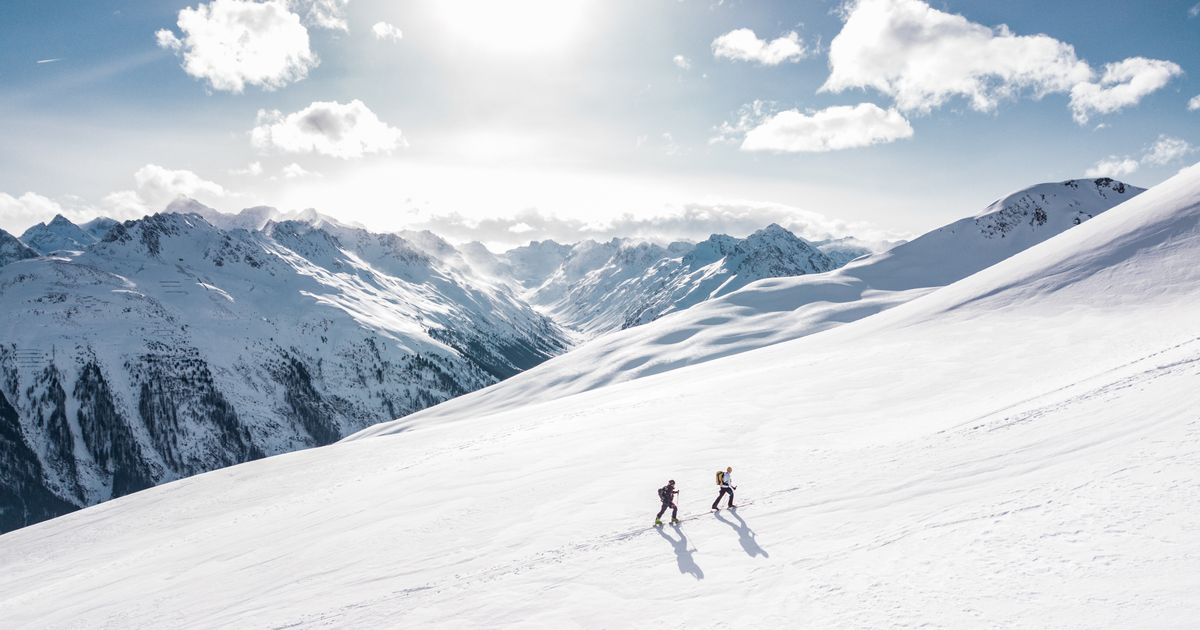
Skiing in deep powder is the pinnacle experience for many skiers — the sensation of floating through untracked snow, the silence of untouched terrain, the spray of white around you. But powder skiing requires a fundamentally different technique to groomed piste skiing, and many intermediate and even advanced piste skiers struggle in deep snow. This guide breaks down the key technique adjustments, equipment considerations, and strategic decisions that separate powder skiers from those who find deep snow a terrifying ordeal.
What Makes Powder Different
On groomed piste, you ski on a firm, predictable surface. The snow is compressed and the ski can carve a precise arc by cutting into the surface. In deep powder, everything changes. The snow is soft, compressible, and three-dimensional - the ski doesn't ride on top of it but partially submerges and planes through it. This fundamental difference requires a complete recalibration of technique, even for accomplished piste skiers.
Many skiers are technically proficient on groomed runs but find deep snow a frustrating, exhausting ordeal. They fall repeatedly, their ski tips dive, they fatigue rapidly, and they lose the smooth rhythm that makes good skiing feel effortless. The good news is that the technique adjustments required for powder skiing are learnable and not especially complex - they just require conscious recalibration and practice.
The Core Technique Adjustments
1. Weight Distribution - The Most Critical Adjustment
On groomed piste, you weight the downhill ski strongly - typically 60–70% of your weight on the outside (downhill) ski through each turn. In powder, this rule changes significantly:
- Weight more equally between both skis. In deep snow, weighting one ski causes it to sink while the other rises - leading to tip crossing and falls. Treating both skis as a single platform allows them to plane through the snow together.
- Sit slightly further back than your normal piste position. Not dramatically - you're not trying to sit on your tails - but a subtle weight shift toward the back of the boot keeps the ski tips from diving. Many instructors describe this as maintaining pressure on the heel rather than the toes inside the boot.
- Avoid sitting too far back. This is the classic overcorrection beginner powder skiers make after being told to "lean back." Excessive rearward weight causes extreme quad fatigue (essentially doing a wall sit for every turn), loss of directional control, and very poor turn shape.
2. Turn Timing and Rhythm
Powder skiing demands a different tempo to piste skiing. Rather than edge-set and carve, the technique is closer to a rhythmic bouncing motion:
- Use a "down-unweight-down" rhythm to initiate turns. Flex down at the end of the turn, then extend and unweight the skis as you pivot to the new direction, then flex into the new turn.
- Make rounder turns. On piste, short-radius aggressive carving turns are efficient. In powder, very short turns cause the tips to dive repeatedly. Medium-to-long radius, rounded turns allow the skis to maintain momentum and stay planed on the surface.
- Maintain speed. Paradoxically, going faster in powder is often easier than going slowly. Speed generates the dynamic pressure that keeps the ski tips planing up. Very slow powder skiing requires a great deal of strength and technique to prevent sinking.
3. Stance Width
Use a slightly wider stance than on groomed piste. A wider stance creates a larger platform and makes the equal-weight distribution easier to maintain. Think of your two skis as a single wide ski - they should work in unison rather than independently.
4. Upper Body Positioning
Keep your upper body facing down the fall line (the direction of steepest descent) more aggressively than you would on piste. This helps your legs rotate beneath a stable torso, driving clean, symmetric turns. Pole plants are important too - in powder, your pole plant provides a timing cue and a balance point through the transition. A crisp, definite pole plant with each turn helps establish rhythm and keeps your upper body facing downhill.
Equipment for Powder Skiing
Fat Skis and Rocker Profile
The single biggest equipment change that improves powder skiing is switching to fat, rockered skis. Here's what the specifications mean:
- Waist width: Measured at the narrowest point under the binding. Conventional all-mountain skis are 75–90 mm. Powder-specific skis are 100–130 mm+. Wider skis provide more surface area for flotation in deep snow.
- Rocker profile: A "rockered" or "reverse camber" ski has tips (and sometimes tails) that curve upward rather than lying flat. This prevents tip diving naturally - the curved tip meets deep snow at an angle that pushes it upward rather than into the snow.
- Where to hire: Most good ski hire shops offer powder ski upgrades. On fresh snow days at major resorts, it's worth calling ahead the previous evening and reserving a pair. Powder skis hire out quickly on powder days.
Poles
Standard poles work fine in powder. Some powder skiers use slightly longer poles than their piste length to improve balance reference in deep snow. Powder baskets (larger disc at the bottom of the pole) are a useful upgrade for very deep conditions - they prevent the pole from sinking too deep into the snow with each plant.
Where to Find Powder
Powder skiing is, by definition, off or away from the most trafficked pistes. On a good powder day, groomed runs are tracked out within hours of first lifts. Finding untracked snow requires strategy.
Timing
Be on the first lift on powder days. This often means a very early start - sometimes before the official resort opening time, where resorts allow queuing. The difference between 8:30 am and 10:30 am on a powder day is the difference between fresh, untracked lines and heavily tracked, choppy snow.
Location
Most resorts have known powder fields that retain snow longer because they're either slightly harder to access, face a direction that slows melt, or are further from lift stations. Locals know these spots - a good local guide or lift queue conversation can point you to areas that stay untracked longer.
North-facing aspects hold snow longest. South-facing slopes get sun exposure earlier and powder deteriorates faster. Trees often hold snow well - tree skiing keeps powder in sheltered pockets well after open runs are tracked.
Resorts for Powder
The best European powder resorts combine high altitude, north-facing terrain, and low temperatures. French high-altitude resorts like Val d'Isère, Tignes, and Chamonix are legendary for powder. Austrian Vorarlberg - St Anton, Lech, Zürs - gets heavy snowfall and has extensive off-piste terrain. In North America, Utah's resorts - Alta, Snowbird, and Park City - are famous for light, dry powder that even surpasses the Alps in quality. Japan's Niseko on Hokkaido island receives extraordinary quantities of ultra-light Siberian powder and has developed a major international following.
Use the SkiPlnr resort map to filter resorts by altitude, annual snowfall, and off-piste terrain availability.
Safety in Off-Piste Powder
Powder skiing frequently takes place off the marked piste, where avalanche risk, hidden terrain traps (rocks, tree wells, cliffs), and isolation from patrol create significant hazards. This is not a reason to avoid powder skiing - it is a reason to be properly prepared.
- Always check the avalanche bulletin before skiing off-piste. Available at lift stations, resort apps, and on European Avalanche Warning Services (EAWS) websites. See our full avalanche safety guide.
- Never ski off-piste alone. The buddy system is essential - if one person is buried in an avalanche, the other can effect a rescue.
- Carry avalanche safety equipment: an avalanche beacon (transceiver) worn on your body (not in your bag), an avalanche probe, and a collapsible shovel. These three items are mandatory for serious off-piste skiing.
- Consider hiring a local mountain guide for your first powder days off-piste. A good guide knows the safe lines, the terrain traps, and the current snow conditions in a way that no amount of self-preparation can replicate.
For more on the specific risks and preparation required for off-piste skiing, read our dedicated off-piste skiing guide before venturing beyond the marked runs.
Key Takeaways
- 1Sit back slightly more than on piste — but not too far; the classic error of sitting too far back leads to tired legs and loss of control
- 2Keep your weight more equal between both skis in powder — unlike piste skiing where you weight the downhill ski strongly
- 3Use a wider stance than on piste — this creates a wider platform that helps the skis plane on top of the snow
- 4Rocker or fat skis designed for powder transform the experience — conventional narrow skis in deep snow require significantly more technique
- 5Smooth, rhythmic turns with equal weighting work better than aggressive carving movements in deep snow
- 6Fresh powder is best skied in the first few hours after a snowfall — it becomes tracked out quickly on popular runs
Frequently Asked Questions
Why do my ski tips dive in powder?
Ski tip diving is the most common powder skiing problem and is caused by too much forward weight on the tips. The fix is to sit slightly further back than your normal piste position — weight your heels slightly, keep your arms forward for balance, and make smoother, more rounded turns rather than aggressive carving movements. Fat, rockered powder skis also dramatically reduce tip diving by providing more flotation across the full ski length.
Do I need special skis for powder skiing?
You don't strictly need them, but fat powder skis (waist width 95 mm+) and rockered skis transform the powder experience. On conventional race-geometry skis (waist under 80 mm), deep powder requires very precise technique to avoid the tips diving. Fat skis float naturally and are far more forgiving. Most good ski hire shops offer powder ski upgrades for fresh snow days.
Where are the best powder resorts in Europe?
For consistent deep powder, look to the northern French Alps (Val d'Isère, Tignes, Chamonix), the Austrian Vorarlberg (St Anton, Lech, Zürs), and the Swiss Valais (Verbier, Zermatt). Further afield, the resorts of the Dolomites in Italy receive heavy snowfall but it tends to be denser than the light Alpine powder. For truly exceptional powder, Japan's Niseko resort and North America's Utah resorts (Alta, Snowbird, Park City) are world-class.
Is all deep snow powder?
No. 'Powder' specifically refers to dry, light, freshly fallen snow with a low water content — the classic 'champagne powder' associated with cold, continental climates. Maritime climates (like much of coastal Europe and Pacific Northwest North America) produce wetter, heavier snow that handles differently. Powder conditions in the Alps are most common after cold, dry Arctic air masses following continental high-pressure systems.
Ready to hit the slopes?
Explore resorts, compare passes, and get a heads-up when the snow arrives.