Off-Piste Skiing - A Complete Guide to Freeride
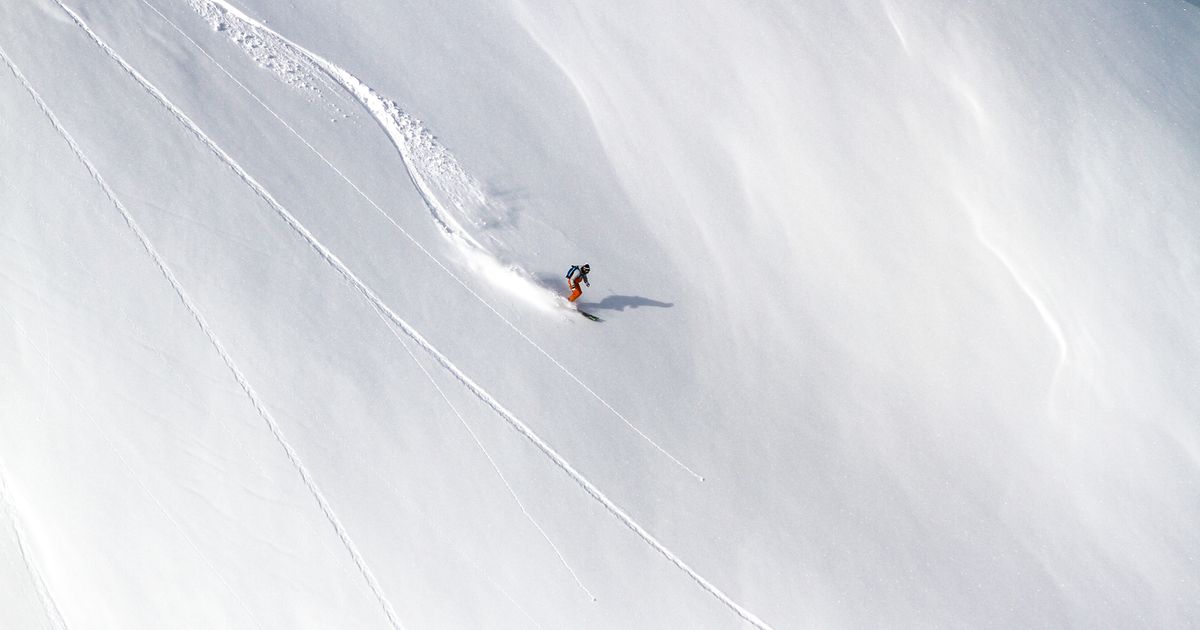
Off-piste skiing — also called freeride — is the art of skiing ungroomed, unmarked terrain beyond the resort boundaries. It's where skiing began, before piste bashers and chairlifts turned mountains into manicured playgrounds. Dropping into an untracked bowl of fresh powder, picking a line through trees and cliffs, and making the first tracks of the day on a slope no machine has touched — these are the experiences that define advanced skiing. But off-piste demands more than just ability: it requires avalanche awareness, specific equipment, physical fitness, terrain reading skills, and conservative decision-making. This guide covers everything you need to transition from piste skiing to freeride.
What Exactly Is Off-Piste?
Off-piste skiing is any skiing that takes place outside the marked, groomed, and patrolled runs of a ski resort. This encompasses a wide spectrum of terrain, from gentle powder fields just beside a blue run to committing backcountry couloirs accessed by a two-hour bootpack. The unifying factor is that off-piste terrain is not maintained by the resort - it's not groomed by piste bashers, not systematically avalanche-controlled, and not patrolled by ski patrol. You are responsible for your own safety.
In French resorts, the distinction is formalised: "piste" (marked, groomed, controlled), "itinéraire" or "ski route" (marked and sometimes avalanche-controlled but not groomed), and "hors-piste" (unmarked, uncontrolled). In North America, the boundaries between resort terrain and backcountry are more clearly defined, with "out of bounds" gates marking the transition. In Austria and Switzerland, "freeride" terrain may or may not be within the resort's avalanche control zone - check local signage.
Required Skills and Fitness
Off-piste skiing demands a higher baseline of skill and fitness than piste skiing. The terrain is steeper, the snow is variable and unpredictable, there are no groomed run-outs, and getting it wrong can mean a long, exhausting traverse or a dangerous fall in isolated terrain.
Skiing Ability
As a minimum, you should be able to:
- Ski red runs confidently in variable conditions (not just perfect grooming)
- Make short-radius parallel turns to control speed on steep sections
- Ski moguls with reasonable control (absorption technique)
- Handle ice, crud, and chopped-up snow without losing balance
- Navigate using a piste map and identify your position on the mountain
If you can ski black runs on-piste with confidence, you're likely ready for guided off-piste. If you're still building confidence on reds, spend another season developing your technique before venturing off the groomed. The difficulty ratings guide can help you calibrate your level.
Physical Fitness
Off-piste skiing is significantly more physically demanding than cruising groomed runs. Deep powder requires constant leg work to maintain balance and rhythm. Variable snow (crud, wind crust, breakable crust) throws your body off balance repeatedly. Traverses and bootpacks to access terrain can involve 20–60 minutes of hiking at altitude with skis on your back. You need strong quadriceps, good cardiovascular fitness, and core stability. If you're gasping after two runs on a groomed red, the backcountry will humble you quickly.
Equipment Differences
While you can make your first powder turns on any ski, dedicated freeride equipment makes a dramatic difference:
Skis
Freeride skis are wider underfoot (95–115 mm for all-mountain freeride, 115–130 mm for deep powder) than piste skis (65–85 mm). The extra width increases surface area, providing flotation in deep snow. Most freeride skis also feature a rockered profile - the tip (and sometimes tail) curves upward earlier than a cambered piste ski, which helps the ski plane on top of the snow rather than diving underneath it.
If you're renting, ask for "freeride" or "fat ski" options. Most resort rental shops carry them at a small premium over standard packages. If buying, consider an all-mountain freeride ski in the 95–105 mm range - it's versatile enough for groomed days while performing well in moderate powder and variable off-piste snow.
Boots and Bindings
Ski boots for off-piste are the same as piste boots for most skiers. If you're doing significant bootpacking or touring, consider touring-compatible boots with a walk mode (a release mechanism that unlocks the cuff for easier hiking). Bindings for freeride should have appropriate DIN settings for your weight and ability - don't crank them up to maximum to avoid pre-release, as this increases knee injury risk.
Safety Equipment
This is non-negotiable. Every person skiing off-piste must carry:
- Avalanche transceiver (digital, three-antenna, switched to transmit)
- Avalanche probe (240–300 cm)
- Avalanche shovel (metal blade)
Read our comprehensive avalanche safety guide for detailed information on equipment, companion rescue technique, and bulletin interpretation.
Additional recommended items: a ski backpack (25–35 litres) to carry everything, a first aid kit, a mobile phone with charged battery (carry a power bank - cold drains batteries), a headlamp (in case you're caught out in failing light), and energy food and water.
Reading Terrain
On groomed pistes, the resort has done the terrain assessment for you - every run is checked for hazards daily. Off-piste, you must do this yourself. Key skills include:
- Identifying avalanche terrain: Slopes between 30° and 45°, lee aspects (wind-loaded), convex rolls, terrain traps (gullies, cliff bands below). Carry an inclinometer and measure slope angles before committing.
- Reading snow conditions: Look for signs of instability - recent avalanche activity (debris, crown lines), shooting cracks around your skis, "whumpfing" sounds (collapsing snowpack), and wind-loaded pillows. These are red flags that demand retreat.
- Identifying safe zones: Ridgelines, dense forest, terrain under 25° gradient, and areas sheltered from the prevailing wind loading direction are generally safer. Plan your line to minimise exposure to avalanche paths.
- Route planning: Before dropping in, study the terrain from above. Identify your line, note safe stopping points along the way, plan an escape route if conditions change, and agree meeting points with your group.
Check the snow report and avalanche bulletin every morning before heading off-piste. Conditions change daily - a slope that was safe yesterday may be dangerous today after wind loading or temperature change.
Powder Technique
Skiing deep powder is different from piste skiing. Here are the key adjustments:
- Equal weight: On piste, you weight the downhill ski. In powder, distribute weight equally on both skis to create a stable platform that floats on the snow.
- Rhythmic bouncing: Use a rhythmic flexion-extension pattern - press down (extend) to compress the snow, then unweight (flex) to release the skis and pivot them into the new turn. This creates the distinctive "porpoising" rhythm of powder skiing.
- Fall-line commitment: Speed is your friend in powder. Going too slowly causes your skis to sink and stall. Commit to the fall line and use linked turns to control speed rather than traversing.
- Hands forward: Keep your hands ahead of your body with pole plants further downhill than on piste. This keeps your weight centred and prevents the common error of leaning back (which causes the ski tips to dive).
- Wider stance: A slightly wider stance than on piste provides more stability in deep, uneven snow.
The best way to develop powder technique is to practise on moderate terrain first - find an ungroomed blue run or easy red with a few inches of fresh snow and work on your rhythm before tackling steep, deep powder. A private lesson with an instructor specialising in off-piste technique can accelerate your progress enormously.
Guided Options - The Smart Way to Start
The safest and most rewarding way to start off-piste skiing is with a certified mountain guide. IFMGA-certified guides have years of training in avalanche assessment, snowpack analysis, mountain rescue, and route finding. They know the local terrain intimately - which slopes hold the best snow, which are dangerous, where the cliffs are hidden - and they make real-time decisions based on the day's conditions.
Options for guided off-piste:
- Private guide: A full day with a guide dedicated to your group (1–4 people). Maximum flexibility, tailored to your ability. Cost: €350–€600 per day. Available in all major Alpine resorts and most North American backcountry areas.
- Group off-piste sessions: Many ski schools offer guided off-piste days for groups of 4–8 intermediate-advanced skiers. Cost: €80–€150 per person. A great way to try off-piste without the full private guide expense.
- Heli-skiing: Helicopter access to remote terrain, typically in Canada (British Columbia, Alberta), Alaska, or the Caucasus. Full-day packages with guide, helicopter drops, and safety equipment. Cost: €800–€2,000+ per person per day. The ultimate freeride experience.
- Ski touring: Touring uses skins (adhesive strips) on the base of your skis to climb uphill under your own power, then you remove the skins and ski down. It's the purest form of backcountry access and requires good fitness. Guided touring days cost €250–€450 per person and are available throughout the Alps and beyond.
Top freeride destinations to explore: Les Trois Vallées (extensive side-country), Zermatt (high-altitude glacial terrain), Whistler (vast alpine bowls), and Japan (legendary deep powder in the trees). Use SkiPlnr's resort map to filter for resorts with significant off-piste terrain.
Key Takeaways
- 1Off-piste skiing means any terrain outside marked, groomed, and patrolled runs — including side-country, tree skiing, and backcountry
- 2You must be a confident red/black run skier before attempting off-piste. Strong parallel turns in variable snow are the minimum prerequisite
- 3Always carry avalanche safety equipment (transceiver, probe, shovel) and know how to use it — never ski off-piste alone
- 4Wider skis (95–115 mm underfoot) with softer flex and rockered profiles make powder and variable snow dramatically easier
- 5Hiring a certified mountain guide is the safest and most rewarding way to start off-piste skiing — they know the terrain, snowpack, and safe lines
- 6Powder technique is different from piste technique: equal weighting on both skis, rhythmic bouncing, and committing to the fall line
Frequently Asked Questions
When am I ready for off-piste?
You're ready for your first off-piste experience when you can ski red runs confidently in all conditions (groomed, ungroomed, icy, slushy), can make short-radius parallel turns to control speed on steep terrain, and have reasonable fitness (off-piste is more physically demanding than piste skiing). You should also have completed at least a basic avalanche awareness course and own or rent the safety equipment trio.
What's the difference between side-country and backcountry?
Side-country (or 'slack-country') is off-piste terrain accessible from resort lifts — you ride a chairlift up, duck off the groomed run, and ski ungroomed terrain that leads back to the resort. Backcountry is terrain entirely outside the resort, requiring hiking, skinning (touring), or helicopter/snowcat access. Side-country is the natural starting point for off-piste progression.
Do I need different skis for off-piste?
You can make your first off-piste turns on regular all-mountain skis, but wider skis (95–115 mm underfoot) with a rockered profile make a transformative difference in powder and variable snow. They float better, pivot more easily in deep snow, and are more forgiving of technique errors. Many rental shops offer freeride or 'fat ski' packages for powder days.
How do I find a mountain guide?
Look for guides certified by IFMGA (International Federation of Mountain Guides Associations) — the gold standard. In France, they're called 'guides de haute montagne'; in Switzerland and Austria, 'Bergführer'. Most guides are booked through local guiding bureaus or online. A full-day private guide costs €350–€600; group rates bring the per-person cost down to €80–€150.
Ready to hit the slopes?
Explore resorts, compare passes, and get a heads-up when the snow arrives.