Hokkaido Ski Guide - Japan's Powder Capital
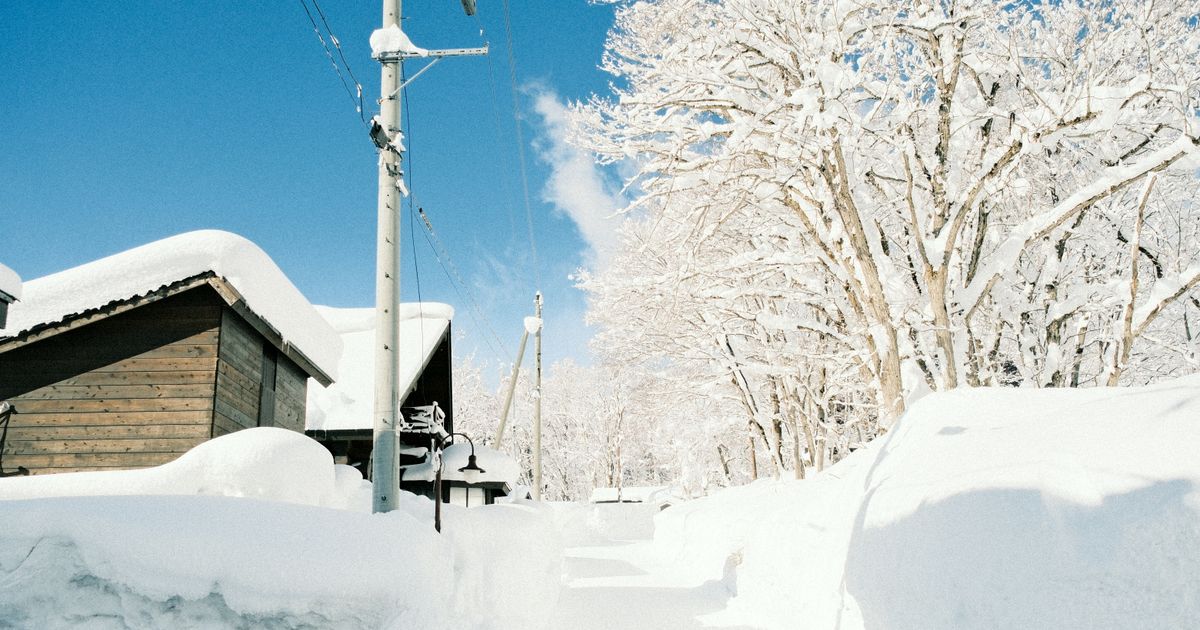
Hokkaido - Where Powder Dreams Come True
Hokkaido, Japan's northernmost main island, is the powder capital of Asia and one of the snowiest inhabited places on earth. Cold, dry air masses from Siberia cross the Sea of Japan, picking up enormous amounts of moisture, and deposit it as feather-light powder across Hokkaido's mountain ranges. The result: resorts that average 12–15 metres of annual snowfall, with snow so dry it has a water-to-snow ratio of roughly 3–5 per cent - lighter even than Utah's famous "Greatest Snow on Earth."
This guide covers every major Hokkaido ski resort in detail, with practical information on getting there, where to stay, what to eat, and how to maximise your powder days. For a broader look at Japanese skiing including Honshu resorts, see our complete Japan ski guide.
Niseko United
Niseko is the gateway drug of Japanese skiing. Its four interconnected resorts - Grand Hirafu, Hanazono, Niseko Village, and Annupuri - span the flanks of Mount Niseko-Annupuri (1,308 m) and offer over 800 hectares of lift-served terrain. But the real magic is the off-piste access: Niseko operates a gate system that opens backcountry runs when avalanche conditions permit, allowing skiers to drop into waist-deep powder within minutes of the top lift.
Niseko receives approximately 14 metres of snow per year, and overnight dumps of 30–50 cm are common during peak season (January–February). Grand Hirafu is the busiest area, with the most lodging, nightlife, and international restaurants. Annupuri is the quietest, offering more consistent powder stashes later in the day. Hanazono has invested heavily in terrain parks and a modern base facility. A full all-mountain day pass costs approximately ¥7,800 (~$52).
The international community in Niseko is substantial - English is widely spoken, menus are translated, and many businesses are Australian-owned. This makes it the easiest entry point for first-time Japan visitors, though some purists feel it has lost some Japanese authenticity. For a more local experience, consider the other Hokkaido resorts below.
Rusutsu Resort
Rusutsu sits 30 km south of Niseko and receives comparable snowfall (13+ metres) with substantially fewer visitors. Three interconnected peaks - East Mountain, West Mountain, and Mount Isola - offer 212 hectares of lift-served terrain with some of the best tree skiing in Japan. The birch forests are perfectly spaced for all-speed freeride skiing, and the fall-line runs through these trees, with fresh tracks available well into the afternoon, are what Hokkaido powder dreams are made of.
The resort operates a large ski-in/ski-out hotel with an indoor amusement park, wave pool, and carousel - a quirky Japanese touch that delights families. The trade-off is a less charming village atmosphere compared to independent towns like Furano. The night skiing here is excellent, with well-lit runs on East Mountain open until 9 pm. Day pass: approximately ¥6,500 (~$44).
Furano
Furano occupies a special place in Hokkaido skiing. Located in the centre of the island, shielded from coastal moisture, it receives snow that many powder connoisseurs consider the driest and lightest on the island. The resort covers 194 hectares with a 960 m vertical drop - modest by North American standards but exceptional in quality. The groomed runs are immaculate, and the off-piste terrain through silver birch trees holds powder for days after storms.
The town of Furano is genuinely charming: a small, walkable Japanese city with outstanding restaurants (the cheese factory and wine house are local institutions), a craft brewery, and an authentic atmosphere untouched by international tourism. Furano is famous for lavender fields in summer, and in winter its slopes offer a quieter, more reflective skiing experience than Niseko's bustle. Day pass: approximately ¥5,900 (~$40).
Tomamu (Hoshino Resorts)
Tomamu is the luxury option in Hokkaido skiing. Operated by Hoshino Resorts (Japan's premier hospitality brand), the resort features two dramatic twin towers rising from a forested valley, an ice village with bars and chapels carved from ice, and a famous "cloud pool" terrace. The skiing covers 145 hectares across 29 courses, and while the resort isn't large, it receives prodigious snowfall and its ungroomed powder zones are superb.
Tomamu's appeal is the complete experience: world-class accommodation, exceptional dining (including a seafood buffet that rivals Tokyo restaurants), and activities beyond skiing including snowshoeing, dog sledding, and cross-country. It's ideal for couples and families who want luxury alongside their powder days. Access is convenient: the JR Tomamu station is directly below the resort, connected by train to Sapporo (90 minutes) and New Chitose Airport (70 minutes). Day pass: approximately ¥6,200 (~$42).
Kiroro
Kiroro is Hokkaido's hidden powder stash. Located between Niseko and Sapporo, it receives massive snowfall - often exceeding 15 metres annually - and its relative obscurity means uncrowded slopes and untouched powder long after storms clear. The resort spans 128 hectares with a 610 m vertical drop, and the terrain mix favours intermediates and powder enthusiasts, with well-spaced trees and consistent fall-line runs.
Two hotels at the base (Sheraton and Tribute Portfolio) provide comfortable accommodation, and the resort's proximity to Otaru (a charming port city famous for seafood and canals) adds a day-trip option. Kiroro's main limitation is a relatively small lift system that can create bottlenecks during peak periods, but the snow quality more than compensates. Day pass: approximately ¥5,500 (~$37).
Kamui Ski Links
Kamui Ski Links, near the city of Asahikawa in central Hokkaido, is perhaps the best-value powder skiing in Japan - and therefore the world. Day passes cost around ¥3,500 (~$24), and the resort receives excellent snowfall from its interior Hokkaido position. The terrain spans 112 hectares with a 540 m vertical drop and a good mix of groomed runs and natural tree skiing.
Asahikawa itself is Hokkaido's second-largest city, with the famous Asahiyama Zoo (where you can watch penguins parade through snow) and outstanding ramen - Asahikawa ramen is considered one of Japan's top three regional styles. The resort is popular with locals and almost unknown to international visitors, making it a genuine insider's choice. Access is via Asahikawa Airport (direct flights from Tokyo) or JR train from Sapporo.
Hokkaido Resorts - Comparison Table
| Resort | Vertical (m) | Area (ha) | Avg Snowfall (m) | Day Pass | Best For |
|---|---|---|---|---|---|
| Niseko United | 940 | 800+ | 14+ | $52 | Off-piste gates, international scene |
| Rusutsu | 580 | 212 | 13+ | $44 | Tree skiing, uncrowded |
| Furano | 960 | 194 | 9+ | $40 | Driest snow, authentic town |
| Tomamu | 580 | 145 | 10+ | $42 | Luxury, families, ice village |
| Kiroro | 610 | 128 | 15+ | $37 | Deepest snow, hidden gem |
| Kamui Ski Links | 540 | 112 | 8+ | $24 | Budget, locals' mountain |
Best Months for Hokkaido
The prime window is mid-January through mid-February. This is when storm cycles are most frequent, temperatures are coldest (ensuring the driest snow), and daylight hours are increasing from the December minimum. Late December can be excellent but is Japan's domestic holiday period (nen-matsu nen-shi), bringing crowds to popular resorts. Late February and March see warmer temperatures and heavier snow, but base depths are at their peak and sunny blue-sky days become more common.
For spring skiing, Niseko and Rusutsu typically operate into early May, with soft corn snow and T-shirt skiing on warm afternoons - a completely different but equally enjoyable experience.
Getting to Hokkaido
New Chitose Airport (CTS), near Sapporo, is the main gateway. Direct flights operate from Tokyo (90 minutes), Osaka, and several international cities including Hong Kong, Seoul, Taipei, and Sydney. From New Chitose, resort transfers are available by bus, train, or private car:
- Niseko: 2.5-hour bus from CTS or drive
- Rusutsu: 2-hour bus from CTS
- Furano: 2.5-hour drive or train via Sapporo/Asahikawa
- Tomamu: 70 minutes by JR train from CTS
- Kiroro: 90-minute drive from CTS
- Kamui: Via Asahikawa Airport or 2-hour train from Sapporo
Rental cars are practical in Hokkaido - roads are well-maintained despite heavy snow, and having a car lets you chase powder between resorts. Just ensure you book a 4WD vehicle with winter tyres (standard in Hokkaido rentals).
Food, Onsen, and Culture
Hokkaido's food is legendary within Japan. The island's dairy farms produce exceptional milk, butter, and cheese; the surrounding seas yield crab, scallops, sea urchin, and salmon; and regional dishes like miso ramen, soup curry, and Genghis Khan (grilled lamb) are comfort food at its finest. Mountain cafeterias serve hot bowls of ramen for ¥800–¥1,000 (~$5–$7) - a fraction of Alpine mountain-restaurant prices.
Onsen (hot springs) are integral to the Hokkaido ski experience. Most resort hotels have onsen facilities, and standalone onsen dot the landscape. Soaking in an outdoor rotenburo (open-air bath) while snow falls around you is one of the great pleasures of Japanese winter travel. For cultural excursions, Sapporo offers the annual Snow Festival (early February), Otaru provides canal-side charm and sushi, and Asahikawa has the penguins of Asahiyama Zoo.
Before venturing off-piste in Hokkaido, review our avalanche safety guide and familiarise yourself with each resort's gate and boundary rules. For equipment guidance specific to deep powder conditions, see our essential gear checklist and boot sizing guide. Explore all of Hokkaido's resorts on the SkiPlnr interactive map.
Ready to Plan Your Ski Trip?
Find the best deals on ski hotels, lessons, transfers, and lift passes.