Best Spring Skiing in Europe - March, April & Beyond
Why Spring Is Europe's Best-Kept Skiing Secret
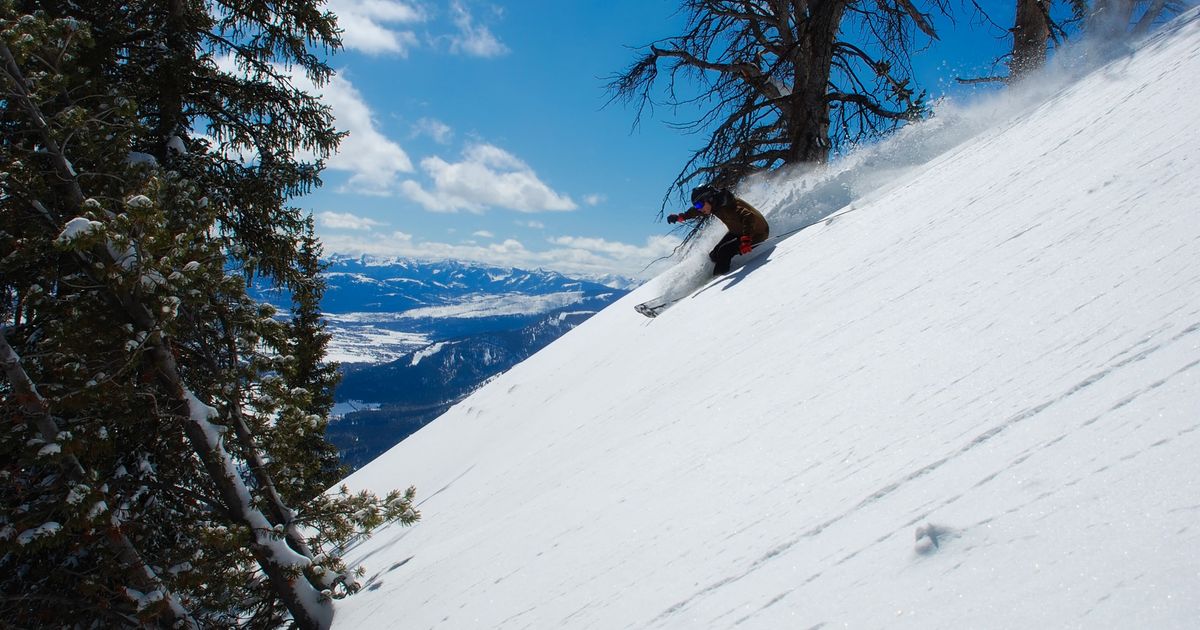
While most skiers fixate on the January–February peak, seasoned Alpine veterans know that spring - March, April, and even May - delivers some of the most enjoyable skiing of the year. Days are longer (up to 13 hours of daylight by late March), the sun is warmer, base depths are at their annual maximum, and corn snow - that perfect cycle of freeze-thaw that creates smooth, carveable surfaces by mid-morning - replaces the icy hardpack of midwinter. Add in lower prices (20–40 per cent off peak rates), fewer crowds, and a festive atmosphere as resorts host end-of-season parties, and spring skiing becomes genuinely irresistible.
The key is choosing the right resort. Spring skiing demands altitude: below 2,000 m, snowpack becomes unreliable by April. This guide covers the best high-altitude and glacier destinations across France, Austria, Switzerland, Italy, and Norway, with practical advice on snow conditions, what to wear, and when exactly to go.
Understanding Spring Snow Conditions
Spring snow behaves differently from midwinter powder. Overnight temperatures drop below freezing, creating a hard, icy surface at dawn. As the sun warms the slopes through the morning, the top layer softens into corn snow - smooth, predictable, and supremely enjoyable to carve. By early afternoon, south-facing slopes can become slushy and heavy, while north-facing terrain stays firm longer. The strategy is simple: follow the sun, skiing south- and east-facing runs in the morning, then moving to west-facing terrain in the afternoon.
Reading snow reports becomes especially important in spring. Look for the freezing level (it should drop below resort altitude overnight) and avoid periods of sustained warm weather that can make the entire snowpack unstable. When conditions are right, however, spring corn skiing is genuinely world-class - many instructors consider it the best snow type for improving technique.
Best Spring Skiing in France
Tignes / Val d'Isère
The Espace Killy area, shared between Tignes and Val d'Isère, is arguably the best spring-skiing destination in the Alps. Tignes' Grande Motte glacier reaches 3,456 m and reliably holds snow through May, while the vast 300 km ski area provides lower-altitude spring-condition skiing from early March. Tignes regularly extends its season into early May, and the glacier opens for summer skiing in June.
Spring is also festival season: Tignes hosts music events and the famous "pond skimming" competition in late April, where costumed skiers attempt to cross a pool of meltwater on the lower slopes. Accommodation prices in April drop 25–35 per cent compared to February.
Les Deux Alpes
Les Deux Alpes boasts one of Europe's largest glaciers (3,568 m) and operates one of the longest seasons in France. The glacier skiing is excellent for spring intermediates, with wide, gentle runs above the clouds. The lower resort (1,300 m base) loses coverage by April, but the mid-mountain and glacier terrain remain superb. The resort hosts the Croisette spring-skiing festival with outdoor DJs and sun loungers on the snow.
Val Thorens
Europe's highest resort village (2,300 m), Val Thorens is the snow-sure anchor of Les Trois Vallées. With runs reaching 3,230 m, the upper terrain holds deep snowpack well into April, and the resort typically closes in early May. The compact, car-free village buzzes with a young, international crowd, and spring brings terrace lounging with views across the entire Three Valleys system.
Best Spring Skiing in Austria
Hintertux Glacier
Hintertux is Austria's only year-round ski area, with glacier skiing to 3,250 m that never closes. In spring, the glacier runs are at their best: firm morning snow softening into perfect corn by midday, with stunning views across the Zillertal Alps. The Zillertal valley below is green and warm by April, creating a surreal contrast - T-shirt lunches at valley restaurants followed by afternoon glacier runs.
Stubai Glacier
The Stubai Glacier, just 45 minutes from Innsbruck, offers 100 km of pistes up to 3,210 m. Spring skiing here benefits from the glacier's north-facing aspect, which preserves snow quality later into the season than south-facing equivalents. The glacier typically operates until early June, and a day pass costs around £50. The Gamsgarten mid-station terrace is one of the best sun-lounging spots in the Tyrol.
Sölden
Sölden's twin glaciers - Rettenbach and Tiefenbach - keep the resort snow-sure through April and into May. The spring atmosphere in Sölden is lively, with the town's bars and restaurants in full swing. The 007 Elements museum on the Gaislachkogl provides a unique non-skiing excursion on a rest day.
Best Spring Skiing in Switzerland
Zermatt
Zermatt's Klein Matterhorn glacier (3,883 m) provides the highest lift-served skiing in the Alps and operates year-round. Spring conditions here are exceptional: the long descent from the glacier summit to Cervinia in Italy offers over 2,000 m of vertical, and the south-facing Italian runs soften into beautiful corn snow by mid-morning. The Matterhorn views in spring's clear air are at their most spectacular.
Saas-Fee
Saas-Fee's Allalin glacier (3,500 m) is another year-round operation, with a metro-style funicular (the highest in the world) accessing the summit. The village is car-free, charming, and sits at 1,800 m - high enough for reliable base-level snow into April. Spring prices in Saas-Fee are notably lower than in Zermatt, making it an excellent high-altitude value option.
Best Spring Skiing in Italy
Cervinia-Breuil
Cervinia, on the Italian side of the Matterhorn, is connected to Zermatt and offers wide, sunny runs that are ideal for spring carving. The Italian side is warmer and sunnier than the Swiss, meaning corn snow arrives earlier in the day. Mountain restaurants serve outstanding Italian food at prices well below the Swiss side - pasta, risotto, and espresso with Matterhorn views for under £15.
Passo Tonale
Passo Tonale, between Lombardy and Trentino, offers glacier skiing to 3,016 m on the Presena glacier. The resort's high base (1,883 m) and glacier access ensure reliable spring conditions, and prices are substantially lower than the western Alps - a day pass costs around £40. The après-ski scene is lively, with Italian warmth and hospitality.
Best Spring Skiing in Scandinavia
Riksgränsen, Sweden
The most extreme spring-skiing destination in Europe: Riksgränsen, 200 km north of the Arctic Circle, operates from February to June, peaking in May when the midnight sun provides 24 hours of daylight. Skiing under the midnight sun - schussing down slopes at 11 pm in full daylight - is a bucket-list experience unlike anything in the Alps.
Lofoten Islands, Norway
Norway's Lofoten Islands offer ski-touring routes that descend from mountain summits directly to the Arctic Ocean. Spring (March–May) is the prime season, with long days, stable snowpack, and stunning fjord scenery. This is ski touring rather than resort skiing, but for experienced skiers, skiing from summit to sea in the Norwegian Arctic is an incomparable adventure.
Spring Skiing - What to Wear
Spring demands a different layering approach than midwinter. Mornings can be cold (−5 °C to −10 °C on glaciers), but by afternoon temperatures may reach 10–15 °C. A lightweight insulating mid-layer under a breathable shell works best, with the ability to strip down to a base layer for sunny afternoon laps. High-factor sunscreen (SPF 50+) is essential - spring UV at altitude is intense, and snow reflection doubles exposure. Good goggles with interchangeable lenses (dark for sun, light for cloud) are more important than in midwinter, when overcast conditions are more uniform.
Check our essential ski gear checklist for a full packing guide tailored to spring conditions.
Spring Skiing Cost Savings
| Expense | February (Peak) | April (Spring) | Saving |
|---|---|---|---|
| Accommodation (week) | £1,200 | £780 | 35% |
| Flights (UK–Geneva) | £180 | £95 | 47% |
| Lift pass (6 days) | £320 | £270 | 16% |
| Equipment hire (week) | £180 | £140 | 22% |
Overall, a spring ski holiday typically costs 25–40 per cent less than the same trip in February half-term - making it an outstanding option for budget-conscious skiers. Read our full budget ski holidays guide for more money-saving strategies.
When Exactly to Go
March: The sweet spot for most resorts. Base depths are high, days are noticeably longer, and snow quality above 2,000 m remains excellent. Most resorts are fully operational with all lifts running. This is the ideal month for skiers who want spring conditions without gambling on snow coverage.
April: Glacier and high-altitude resorts (Val Thorens, Zermatt, Tignes, Hintertux) are the safest bets. Lower resorts start closing, but those that remain open offer excellent corn snow and a festival atmosphere. Easter week can be busy.
May and beyond: Only glaciers and Arctic resorts operate. Zermatt, Hintertux, Stubai, and Riksgränsen are the main options. The experience is unique - warm sunshine, empty slopes, and a genuine end-of-season camaraderie among the diehards who refuse to stop skiing.
Explore all European resorts on the SkiPlnr interactive map, and check when to visit each destination for seasonal guidance tailored to your preferred resort.
Ready to Plan Your Ski Trip?
Find the best deals on ski hotels, lessons, transfers, and lift passes.