Skiing in Austria - The Complete Guide
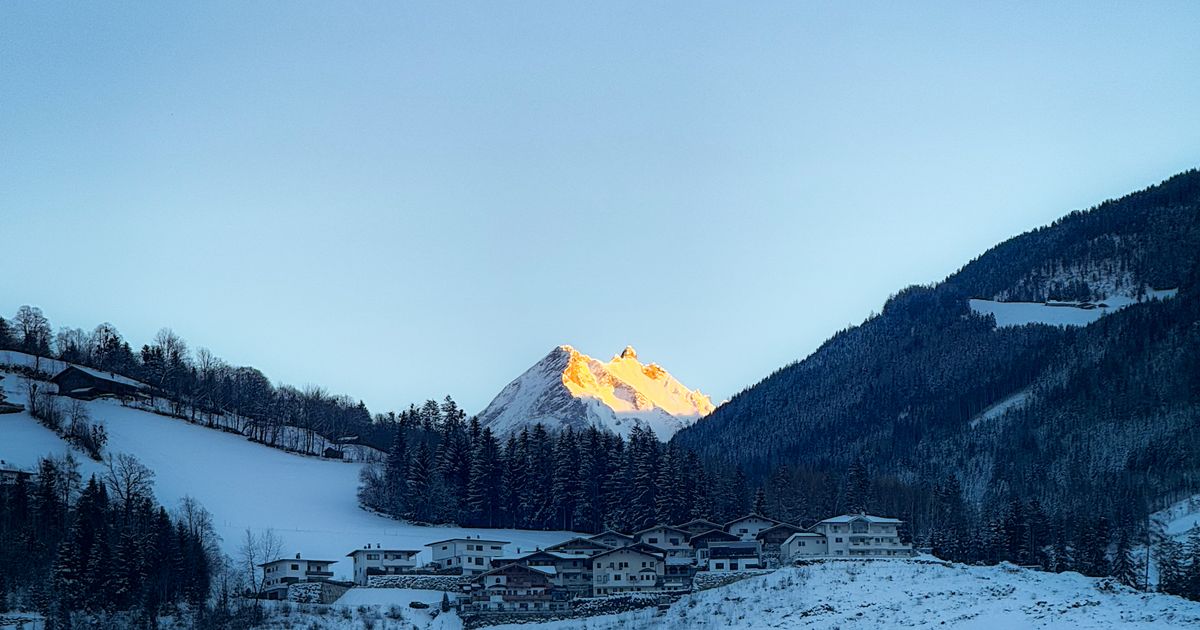
Austria - Where Skiing Is a Way of Life
Austria is the spiritual home of Alpine skiing culture. While Switzerland may claim the highest peaks and France the largest linked areas, no country integrates skiing into its national identity quite like Austria. From the Tyrolean tradition of hut-hopping - stopping at rustic mountain huts for schnapps and kaiserschmarrn between runs - to the legendary après-ski parties of St. Anton and Ischgl, Austrian skiing is as much about the culture as the sport itself.
Austria also represents excellent value compared to Switzerland, with comparable snow quality at significantly lower prices. This guide covers the country's top resorts, the unique Austrian skiing experience, and practical tips for planning your trip.
St. Anton am Arlberg
St. Anton is the birthplace of modern Alpine skiing. The first ski club was founded here in 1901, and the resort has been at the forefront of the sport ever since. Today, St. Anton anchors the Ski Arlberg region - the largest interconnected ski area in Austria, with 305 km of piste across St. Anton, Lech, Zürs, Stuben, and Warth-Schröcken. The terrain is outstanding: long, steep runs descend from 2,811 m to the village at 1,304 m, with a vertical drop exceeding 1,500 m. The off-piste terrain is legendary - routes like the Valluga North Face and the run to Zürs through the Paziel Valley require a guide but deliver world-class freeride experiences.
St. Anton's après-ski is equally famous. The MooserWirt and Krazy Kanguruh bars at the base of the Galzig run are institutions - the party starts at 3 pm and continues into the small hours. The village has genuine Austrian character with excellent restaurants and a compact, walkable centre. A Ski Arlberg pass costs around £60 per day.
Kitzbühel
Kitzbühel is Austria's most storied ski town. The medieval town centre - pastel-coloured buildings, cobbled streets, and a 14th-century church - is one of the most beautiful in the Alps. The Hahnenkamm downhill, held here every January, is the most famous and dangerous race in World Cup skiing, and the Streif course is open to the public (though the start ramp will test your nerve).
The KitzSki area covers 170 km of piste across the Hahnenkamm and Kitzbüheler Horn sectors, with terrain that favours intermediates - long, rolling cruisers through open meadows and forested runs. Expert skiers will enjoy the Streif and the steeper lines on the Hahnenkamm, but the overall terrain tilt is toward relaxed, scenic skiing. The town's nightlife, restaurants, and shopping are first-rate, and the atmosphere blends glamour with genuine Tyrolean warmth. Day pass: approximately £55.
Ischgl
Ischgl has rebranded itself as the "Ibiza of the Alps" - a high-energy resort with massive outdoor concerts (top-of-the-season and end-of-season headliners include artists like Elton John and Robbie Williams), a duty-free link to Samnaun in Switzerland, and an après-ski scene that rivals St. Anton's intensity. The Silvretta Arena covers 239 km of piste reaching 2,872 m, with excellent intermediate terrain and a modern lift system.
Ischgl's investment in infrastructure is remarkable: 45 modern lifts serve the area with minimal queuing, and the gondola from the village whisks you to mid-mountain in minutes. The resort is pricier than average for Austria (day pass around £58), but the combination of high-altitude snow reliability, modern lifts, and vibrant social scene justifies the premium for its target audience.
Sölden
Sölden, in the Ötztal valley, is a powerhouse resort with two glacier skiing areas (Rettenbach and Tiefenbach) that guarantee snow from October to May. The BIG3 concept highlights three peaks above 3,000 m accessible by lifts, and the Gaislachkogl summit (3,058 m) features an architectural marvel - the ice Q restaurant, featured as the villain's lair in the James Bond film Spectre, and the 007 Elements museum carved into the mountain.
The ski area covers 144 km of piste with a massive 1,870 m vertical drop - one of the largest in the Alps. Terrain ranges from gentle nursery slopes at village level to challenging black runs on the glaciers. Sölden hosts the opening World Cup races each October and has a lively, youthful après-ski scene centred on bars along the main road. Day pass: approximately £58.
Lech-Zürs
Lech and Zürs, connected to St. Anton via the Ski Arlberg pass, offer a more refined, family-friendly alternative to St. Anton's party atmosphere. The villages are impeccably maintained, with luxury hotels, Michelin-starred restaurants, and a clientele that trends upmarket. The skiing is superb - Lech's wide intermediate runs, the Zuger Hochlicht bowl, and the Madloch-Zürs descent are highlights - and the area receives some of the heaviest snowfall in the Austrian Alps.
Zürs, Austria's highest permanently inhabited village at 1,716 m, has a more intimate feel with a handful of hotels surrounding the slopes. The Flexenbahn connection to St. Anton (opened 2016) transformed the area, but Lech-Zürs retains its distinct character: more elegant, more relaxed, and less raucous than its Arlberg neighbour. Day pass: included in the Ski Arlberg pass at £60.
Mayrhofen
Mayrhofen, in the Zillertal valley, is a favourite of British skiers for its reliable snow, lively nightlife, and accessible pricing. The resort's signature feature is the Harakiri - Austria's steepest piste at 78 per cent gradient - but the broader terrain covers 142 km across the Penken and Ahorn mountains. Intermediates dominate the terrain mix, with excellent cruisers on the Penken side and a dedicated beginner area on Ahorn.
The Zillertal Superskipass covers 530 km across multiple valley resorts, offering extraordinary variety for a week's holiday. Mayrhofen's town has genuine Tyrolean character plus a strong bar and restaurant scene, with Scotland Yard pub and the Ice Bar among the après-ski highlights. Day pass: approximately £50 (Superskipass £55).
Obergurgl-Hochgurgl
Obergurgl markets itself as the "Diamond of the Alps" - a snow-sure, uncrowded, upmarket resort at the head of the Ötztal valley. At 1,930 m, it is one of the highest villages in Austria, and the ski area reaches 3,080 m, ensuring excellent conditions from November to late April. The 112 km of piste favour intermediates, with long, scenic runs and virtually no lift queues thanks to strict bed limits in the village.
Obergurgl is ideal for skiers who want peace, quality, and guaranteed snow without the party atmosphere of St. Anton or Ischgl. The village is compact and quiet, with excellent hotels and restaurants but limited nightlife. For families and older skiers seeking a refined mountain experience, it's hard to beat. Day pass: approximately £55.
Saalbach-Hinterglemm
Saalbach-Hinterglemm-Leogang-Fieberbrunn forms the Skicircus - one of Austria's largest ski areas with 270 km of piste and a modern lift network of 70 installations. The terrain is predominantly intermediate, with long cruising runs connecting the four villages in a natural circuit. The Skicircus tour - a marked route completing a loop through all areas - takes a full day and is one of the most enjoyable day tours in the Alps.
The atmosphere is fun-focused and young, with vibrant après-ski in both Saalbach and Hinterglemm villages. The area sits in Salzburger Land rather than Tyrol, and the landscape has a softer, greener character with gentler peaks and wide valley runs. Day pass: approximately £55.
The Austrian Skiing Experience
Hut Culture
Austrian mountain huts (Hütten) are central to the skiing experience. Unlike French resort cafeterias, Austrian huts are family-run, often centuries-old, and serve hearty Tyrolean food: Kaiserschmarrn (shredded pancake), Germknödel (yeast dumpling), Tiroler Gröstl (fried potatoes and meat), and Apfelstrudel. Many huts have sun terraces where skiers linger for hours, and the atmosphere is warm, convivial, and utterly relaxed. Budget £12–£20 for a substantial hut lunch.
Après-Ski Tradition
Austria invented après-ski as the world knows it. The tradition of stopping at a bar at the base of the slopes for beers, schnapps, and music dates back decades, and Austrian resorts have perfected it. From the legendary umbrella bars of St. Anton to the DJ-driven party bars of Ischgl and Saalbach, the post-skiing social scene is as much a part of the holiday as the skiing itself.
Ski Amadé and Multi-Resort Passes
Austria's multi-resort pass systems offer exceptional value. The Ski Amadé pass covers 760 km of piste across 25 resorts in the Salzburg region for around £55 per day. The Zillertal Superskipass and Ski Arlberg pass provide similar multi-resort access. These passes allow extraordinary variety - you can ski a different resort every day of a week's holiday without repeating.
Austria vs Switzerland - Quick Comparison
| Factor | Austria | Switzerland |
|---|---|---|
| Day pass (avg) | £50–£60 | £60–£85 |
| Mountain lunch | £12–£20 | £20–£35 |
| Après-ski | World-class, lively | More restrained |
| Max altitude | 3,340 m (Pitztal) | 3,883 m (Zermatt) |
| Resort character | Traditional villages | Mix of traditional/modern |
| Value for money | Excellent | Premium |
Getting to Austria
Innsbruck, Salzburg, and Munich are the main gateway airports. Innsbruck sits in the heart of Tyrol, with most major resorts within 60–90 minutes' drive. Salzburg serves the eastern resorts (Saalbach, Ski Amadé). Munich, though in Germany, is the busiest airport and offers train/bus connections to Austrian resorts within 2–3 hours. Austrian trains (ÖBB) are efficient and scenic, with direct services to many resort towns.
For guidance on what to pack, see our essential gear checklist. To compare Austrian resorts with other Alpine nations, explore France, Italy, and Switzerland on SkiPlnr. For help understanding trail markings across different countries, read our guide to ski resort difficulty ratings. And browse the full ski glossary to brush up on Alpine terminology before your trip.
Ready to Plan Your Ski Trip?
Find the best deals on ski hotels, lessons, transfers, and lift passes.