How Ski Resorts Make Snow - Snowmaking Explained
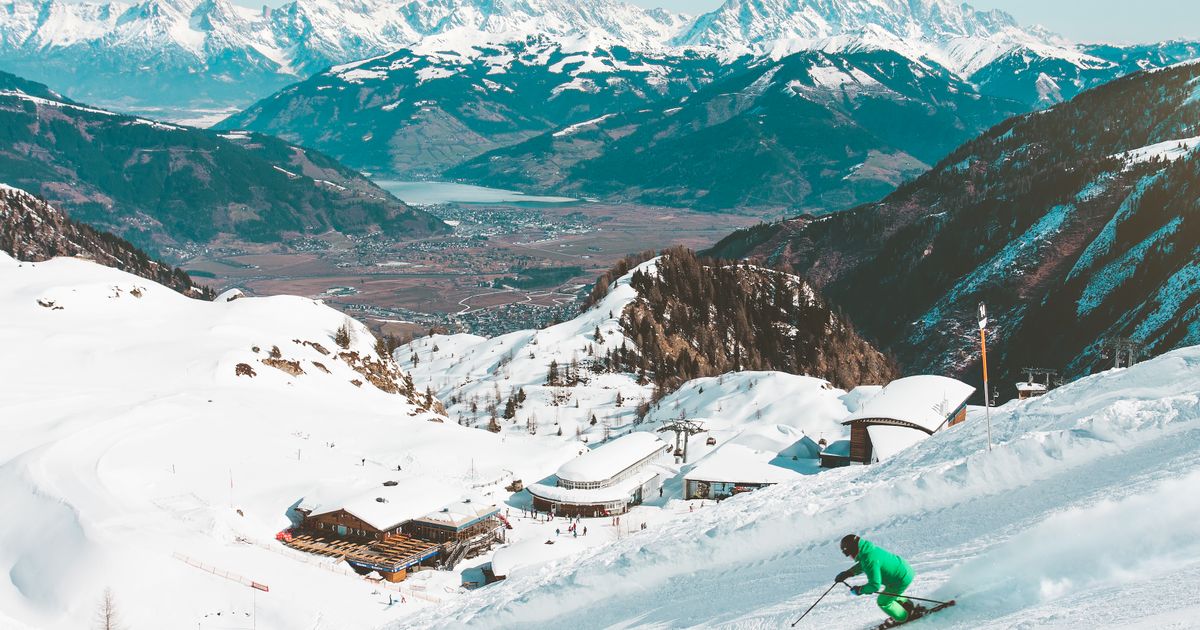
On a cold night at a major ski resort, dozens of snow cannons roar to life across the mountain, spraying vast plumes of white mist that settle as artificial snow on the pistes below. Snowmaking is one of the most important — and least understood — aspects of modern ski resort operations. This guide explains exactly how snowmaking technology works, when resorts use it, what it costs, and how it affects your skiing experience.
Why Snowmaking Matters
The ski industry is fundamentally dependent on snow, and natural snowfall is unpredictable. Climate change has made this unpredictability worse, with warmer autumn and spring temperatures compressing the viable ski season at lower and mid-altitude resorts. Snowmaking is the industry's primary response to this challenge - it provides a degree of weather independence that has transformed ski resort operations over the past thirty years.
Modern snowmaking allows resorts to:
- Open on a guaranteed date regardless of early-season natural snowfall
- Maintain key runs during warm spells or periods of low natural snowfall
- Build a deep base layer early in the season that provides a buffer against subsequent warm weather
- Keep high-traffic runs (typically blue runs near the village base and race runs) skiable throughout the season
Understanding snowmaking helps you interpret snow reports, choose resorts with better coverage guarantees, and understand the texture of the snow you're skiing on.
How Snow Guns Work
Snow guns (also called snow cannons or snowmakers) work by mixing compressed air with pressurised water and spraying the mixture into the atmosphere. The water droplets freeze as they travel through the cold air and fall as small ice crystals that accumulate on the slope below.
The physics require two conditions:
- Temperature: The air temperature must be cold enough to freeze the water droplets before they hit the ground - typically at or below -2°C. The wet bulb temperature (which accounts for humidity as well as air temperature) is the relevant measurement. On a humid night, you might need -4°C or colder to make effective snow; on a cold, dry night, snowmaking can begin at -2°C or even slightly above.
- Humidity: Lower humidity means better snowmaking conditions. The driest, coldest nights of winter are the best snowmaking nights - this is why you often see resort snowmaking reports mention "excellent snowmaking conditions" during cold high-pressure spells.
Types of Snow Guns
Fan Guns (High-Output Snow Cannons)
Fan guns are the large, tower-mounted or wheeled machines you see on major resort pistes. They use a high-powered fan to blast the water-air mixture far across the slope - coverage radii of 30–50 m. Modern fan guns are fully automated, with computerised wet-bulb temperature sensors that automatically adjust water flow and start/stop operation based on conditions. High-output fan guns can produce 100+ cubic metres of snow per hour.
Fan guns are expensive (£50,000–£150,000 each) but highly efficient. A resort with comprehensive fan gun coverage can carpet its key runs in artificial snow within 24–72 hours of suitable temperatures.
Lance Guns (Stick Snow Guns)
Lance guns are smaller, simpler devices - a lance or pipe arrangement attached to a hydrant point on the slope. They produce less volume than fan guns but are much cheaper (£5,000–£20,000) and can be placed densely across a slope. Many resorts use a combination: fan guns on key runs for high-output coverage, lance guns for finer coverage of specific areas.
Mobile Snow Guns
Some resorts use mobile snow guns on wheeled frames that can be repositioned across the slope based on daily priority. Less efficient than fixed installations but more flexible.
The Water and Energy Infrastructure
Snowmaking is infrastructure-intensive. Behind every snow gun is a network of water pipes, pumping stations, and reservoirs that must supply water at adequate pressure regardless of demand. Major resorts have:
- Reservoirs: Large on-mountain water storage reservoirs - often created by dammed mountain valleys - store millions of litres of water. These are filled by rainfall, snowmelt, and sometimes piped water during the summer and autumn. The reservoir must be full before the snowmaking season begins.
- Pumping stations: High-pressure pumping stations push water up the mountain and maintain the pressure required for snow gun operation. Energy consumption is significant - large snowmaking operations use as much electricity as a small town during peak production.
- Hydrant networks: Underground pipe networks with connection points (hydrants) across the ski area allow snow guns to be connected at any point on the mountain.
The environmental footprint of snowmaking is substantial - water usage, energy consumption, and the physical infrastructure all have impacts. The ski industry has invested heavily in efficiency improvements: modern snow guns use significantly less water and energy per cubic metre of snow than first-generation equipment, and many resorts now use 100% renewable electricity for snowmaking. Water recycling systems capture meltwater from the base of the slope and return it to reservoirs.
What Artificial Snow Feels Like to Ski
If you've skied on freshly groomed artificial snow, you'll recognise the distinctive feel - firmer and more uniform than natural snow, with a slightly icy, compact texture. This is because artificial snow particles are denser and rounder than natural snowflakes.
The skiing experience on artificial snow:
- Grip: Firm artificial snow holds an edge well - it can actually be better for learning precise carving technique than soft natural snow.
- Speed: Well-groomed artificial snow is fast and consistent - a uniform surface without the soft patches and variable texture of natural snow.
- Durability: Artificial snow is much more resistant to traffic wear than natural snow. A run covered in 50 cm of artificial snow can handle thousands of skiers per day without degrading significantly, whereas the same depth of natural powder would be tracked out quickly.
- Feel: The trade-off is that artificial snow lacks the cushion and forgiveness of natural powder. Falls on firm artificial snow are harder than falls in soft natural snow.
After natural snowfall settles on top of an artificial base, the skiing experience improves markedly - you get the stability of the packed artificial base with the softer, more pleasant feel of natural snow on the surface.
Snowmaking and Resort Choice
When choosing a ski resort - particularly for early-season (December) or late-season (April) trips, or when natural snowfall is forecast to be below average - snowmaking capacity is a key factor.
Indicators of good snowmaking infrastructure:
- Percentage of pistes with snowmaking cover: Many resorts publish this figure. 80%+ is excellent; below 50% leaves significant terrain vulnerable to natural snow shortage.
- Altitude: Higher resort altitude means more reliable low temperatures for snowmaking windows. Resorts with resort villages above 1,500 m and skiing above 2,500 m have the best combination of natural snowfall and snowmaking viability.
- Track record: Historical opening dates and season length are useful indicators. A resort that reliably opens in late November and stays open until mid-April has invested in the snowmaking and snow management infrastructure to deliver this consistently.
Use the SkiPlnr resort map to filter by altitude and explore resorts with the best snow reliability records. Our understanding snow reports guide explains how to read the snowmaking indicators in resort snow condition updates.
The Future of Snowmaking
The ski industry faces genuine long-term challenges from climate change - rising winter temperatures, later and shorter cold periods, and reduced natural snowfall at lower altitudes are trends that snowmaking can mitigate but not reverse. The industry response includes:
- High-efficiency snowmaking: Next-generation snow guns produce more snow per unit of water and energy than current technology, and automated systems reduce operational waste.
- Snow preservation: Some resorts now store snow from the end of winter under insulating covers and redeploy it the following autumn - significantly reducing the snowmaking requirement for early-season opening.
- Altitude shift: Resorts and investors are shifting capital toward higher-altitude terrain that has greater inherent snow reliability - either building new high-altitude infrastructure or expanding the upper mountain at existing resorts.
- Diversification: The most forward-thinking resorts are reducing year-round dependence on snow by developing summer activities, year-round mountain restaurants, and four-season destination strategies.
For skiers, the practical implication is clear: choose resorts above 1,800 m with comprehensive snowmaking for the most reliable experience, particularly outside the core mid-winter months of January and February.
Key Takeaways
- 1Snowmaking requires temperatures at or below -2°C and low humidity — resorts cannot make snow whenever they want
- 2Modern snow guns are far more energy and water-efficient than first-generation equipment, and many resorts now use recycled water
- 3Artificial snow is denser and icier than natural powder — it creates a firm base that holds up well to heavy traffic
- 4High-altitude resorts (1,800 m+) have naturally longer snowmaking windows and more reliable natural snowfall as a supplement
- 5Major resorts can cover entire ski areas in artificial snow within 72 hours of suitable temperatures — opening is rarely delayed by snowfall alone
- 6Snowmaking investment is now a competitive differentiator — resorts with comprehensive snowmaking can guarantee early-season opening regardless of natural snowfall
Frequently Asked Questions
Is artificial snow the same as natural snow?
No. Artificial snow has a different structure to natural snow. Natural snowflakes form complex crystalline structures with significant air space between them, creating the light, fluffy powder skiers love. Artificial snow consists of tiny ice particles with less air space — it is denser, heavier, and harder than natural powder. Well-groomed artificial snow provides excellent skiing but is noticeably firmer underfoot. After a fresh natural snowfall on top of artificial base snow, the experience improves significantly.
How much water does snowmaking use?
Snowmaking is water-intensive. Covering one hectare of piste to a depth of 30 cm requires approximately 100,000–200,000 litres of water. Large resorts may use millions of litres of water per night during intensive snowmaking operations. Most modern ski resorts use reservoir systems that collect rainwater, snowmelt, and sometimes treated wastewater to reduce the draw on natural water sources. Water usage is a significant environmental concern for the ski industry.
Why do some ski resorts have better snowmaking than others?
Snowmaking capacity depends on the number and type of snow guns, the water storage and pumping capacity, and the coverage of hydrants across the ski area. Large, well-capitalised resorts in the Alps and North America have comprehensive systems covering the entire ski area. Smaller or lower-altitude resorts may only have snowmaking on key runs. Snowmaking investment varies enormously — a modern high-output snow gun costs £30,000–£150,000, and a full resort installation runs to tens of millions.
Can snowmaking work in warm weather?
Not effectively. Snowmaking requires temperatures at or below approximately -2°C wet bulb temperature (which accounts for both air temperature and humidity). In humid conditions, the effective temperature threshold is higher — you might need -5°C or colder. This is why high-altitude resorts with cold, dry climates have longer effective snowmaking windows. In late season or during warm spells, snowmaking is either impossible or produces very poor quality snow.
Ready to hit the slopes?
Explore resorts, compare passes, and get a heads-up when the snow arrives.